Grappling socks: grip, hygiene and how they are made
Grip socks sit between your foot and the mat. Done right they stop the slip on a sweaty mat and keep ringworm off your skin. Done badly they slide worse than bare feet.
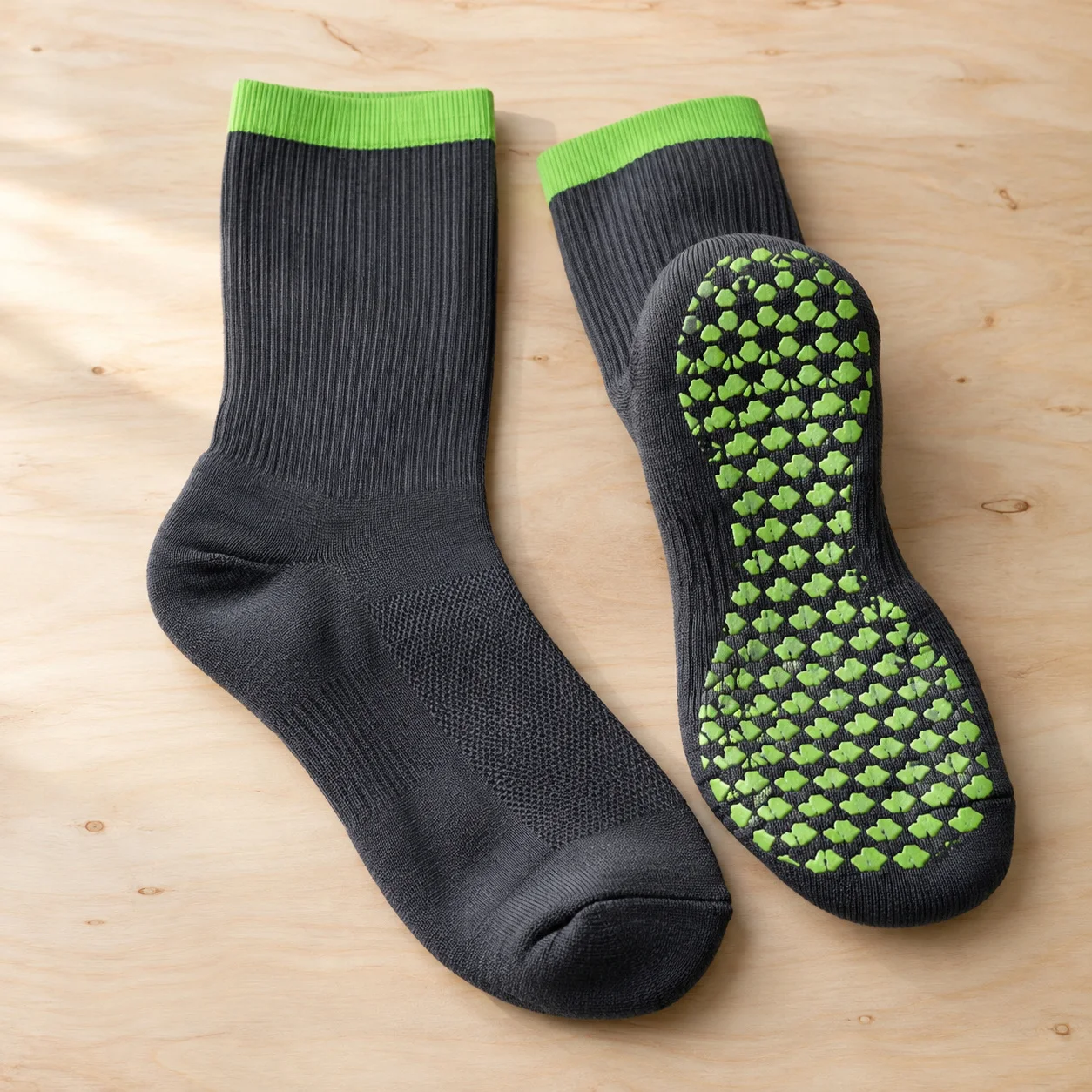
Combatwear Factory manufactures custom grappling and grip socks for BJJ and MMA brands. Buyers define yarn/feel target, sock height, size range, knit colors, logo placement and anti-slip sole pattern; exact materials, minimum order and packing are confirmed in the quotation.
Why people train in grip socks
Traction first. On a sweaty vinyl mat, bare feet slide at exactly the moment you need to post a base. A grip sole restores the friction you expect from a dry mat, which matters most for standing work, takedown entries and guard retention.
Mat hygiene second, and for a lot of gyms it is the main reason. Ringworm, athlete’s foot and plantar warts travel on mats. A sock between your skin and a shared surface removes the most common transmission route for foot infections.
Third, and least discussed: they keep your feet warm enough to move properly in a cold gym, and they stop skin tearing on the top of the foot during long drilling rounds.
Grip socks versus mat shoes versus bare feet
Bare feet remain standard for competition and for most gi training, and there are coaches who prefer them because foot sensitivity is part of the game. Grip socks are a training aid, not a replacement.
Wrestling shoes grip harder and support the ankle, but they are built for a wrestling mat and are usually banned on BJJ mats because the sole can injure a training partner. Grip socks are the compromise: sock-soft against another body, grippy against the mat.
Can you wear them in competition?
In most gi and no-gi rulesets, no. Competition uniform requirements generally specify bare feet, and footwear of any kind is normally only allowed with a medical exemption. Rules differ between organisations and change between seasons, so check the current rulebook for your specific event rather than assuming.
This is why grip socks are usually sold as training kit. If you are producing them for an academy, do not market them as competition-legal.
Producing grip socks for an academy or brand
The grip pattern is the part that carries your branding. A logo can be worked into the silicone print on the sole, which survives washing better than a printed cuff logo. Cuff jacquard knitting is the other durable option; heat transfer on a sock is the one that peels.
Sizing is the decision that causes the most returns. Grading to shoe-size bands (for example 36–39, 40–43, 44–47) puts the grip dots under the right part of the foot. A single “one size” sock moves the arch dots to the wrong place for half your buyers.
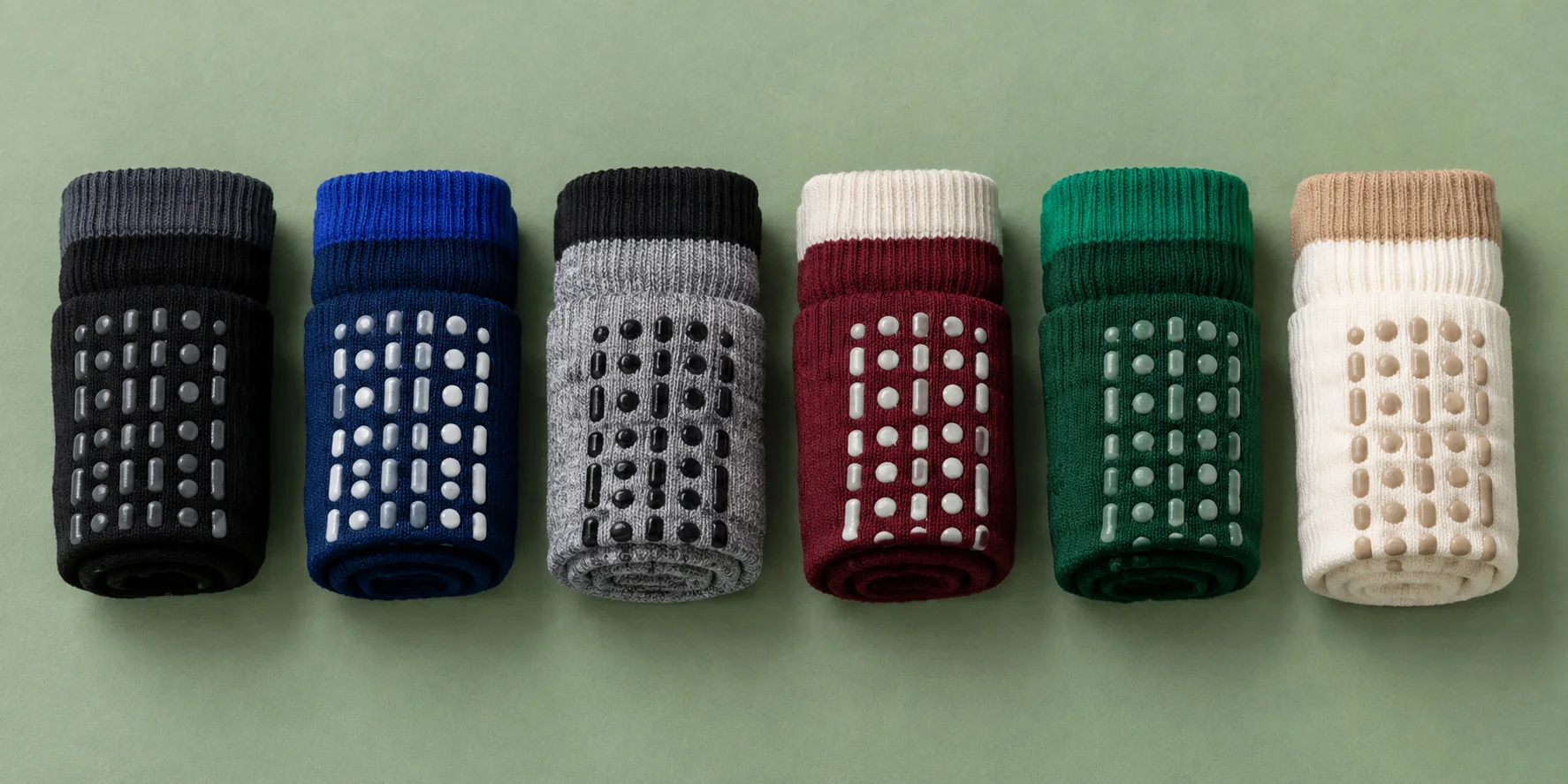
Colourways are cheap to vary once the knit is set up, so a team order can run several academy colours against one base specification.
What separates a good grip sock from a bad one
These are the points we specify on a production order, and the ones worth checking before you buy.
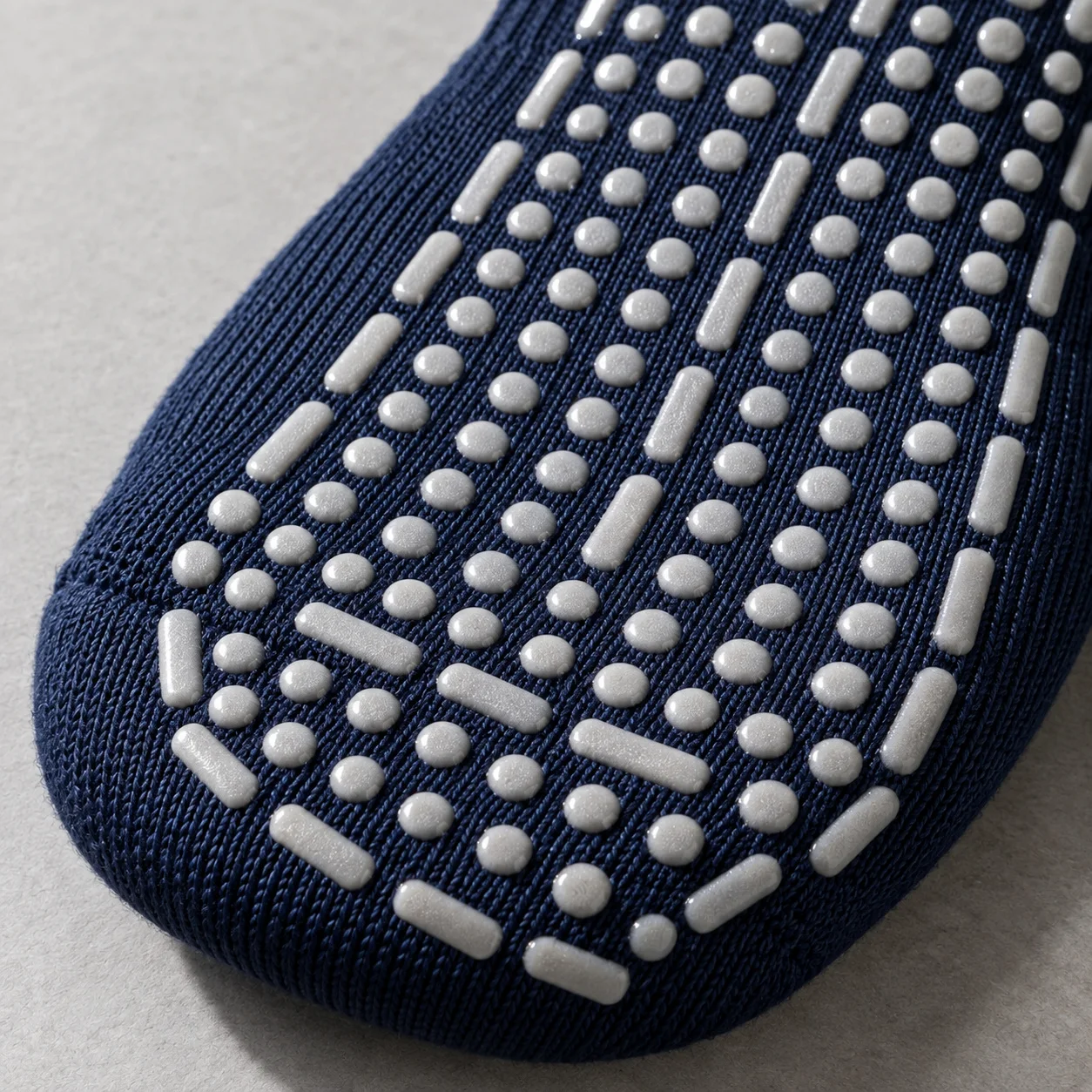
| Grip coverage | Silicone or rubber dots across the full sole including heel and toe pad. Partial coverage slides on the edges of the foot. |
|---|---|
| Grip height | Raised enough to bite on vinyl mats, low enough not to catch and roll an ankle. Printed, not glued. |
| Sock body | Cotton-rich blend with elastane for a close fit, or polyester blend for faster drying. Loose fabric bunches under the arch. |
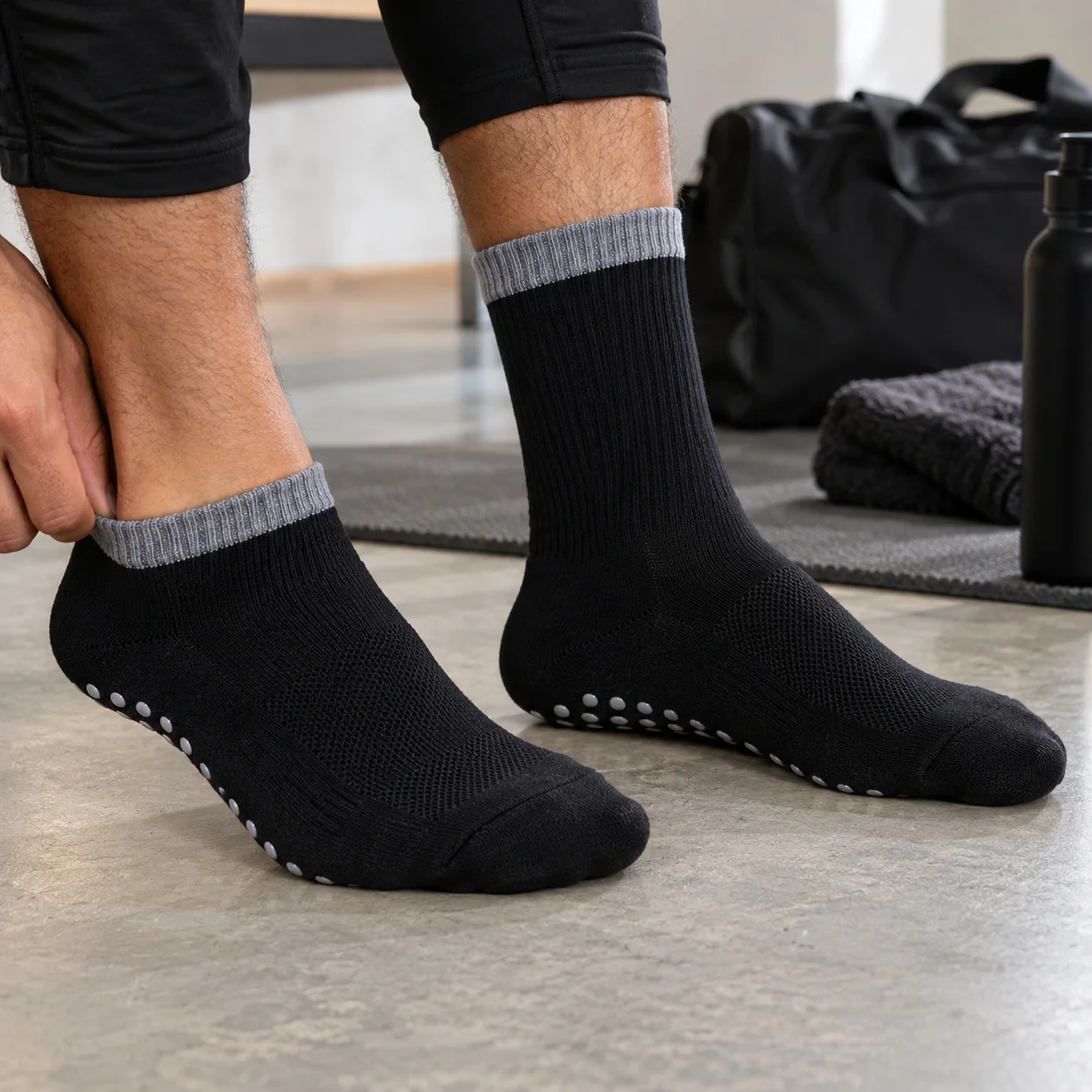
| Cuff | Ribbed and snug at the ankle. A cuff that slips down mid-roll is the most common complaint. |
| Seam | Flat toe seam. A standard overlocked toe seam rubs under a heel-slide pressure point. |
| Sizing | Graded to shoe size, not S/M/L. A grip sole only works if the dots sit under the right part of the foot. |
| Washing | Cold wash, inside out, no tumble dry. Heat kills silicone grip faster than any amount of training. |
| Competition | Not legal in most gi and no-gi rulesets. Training, warm-up and open-mat use. |
Ordering grappling socks for BJJ academies and teams
If you are buying grip socks for a BJJ academy, a wrestling club or a brand range, settle these points before sampling:
- Size bands: grade to shoe-size bands (for example 36–39, 40–43, 44–47) so the grip dots sit under the right part of the foot.
- Logo placement: work the logo into the silicone sole print or knit it into the cuff; avoid heat transfer, which peels.
- Sock body: cotton-rich with elastane for a close fit, or a polyester blend for faster drying.
- Colourways: several academy colours can run against one base specification once the knit is set up.
- Labelling: sell them as training, warm-up and open-mat kit, not as competition-legal.
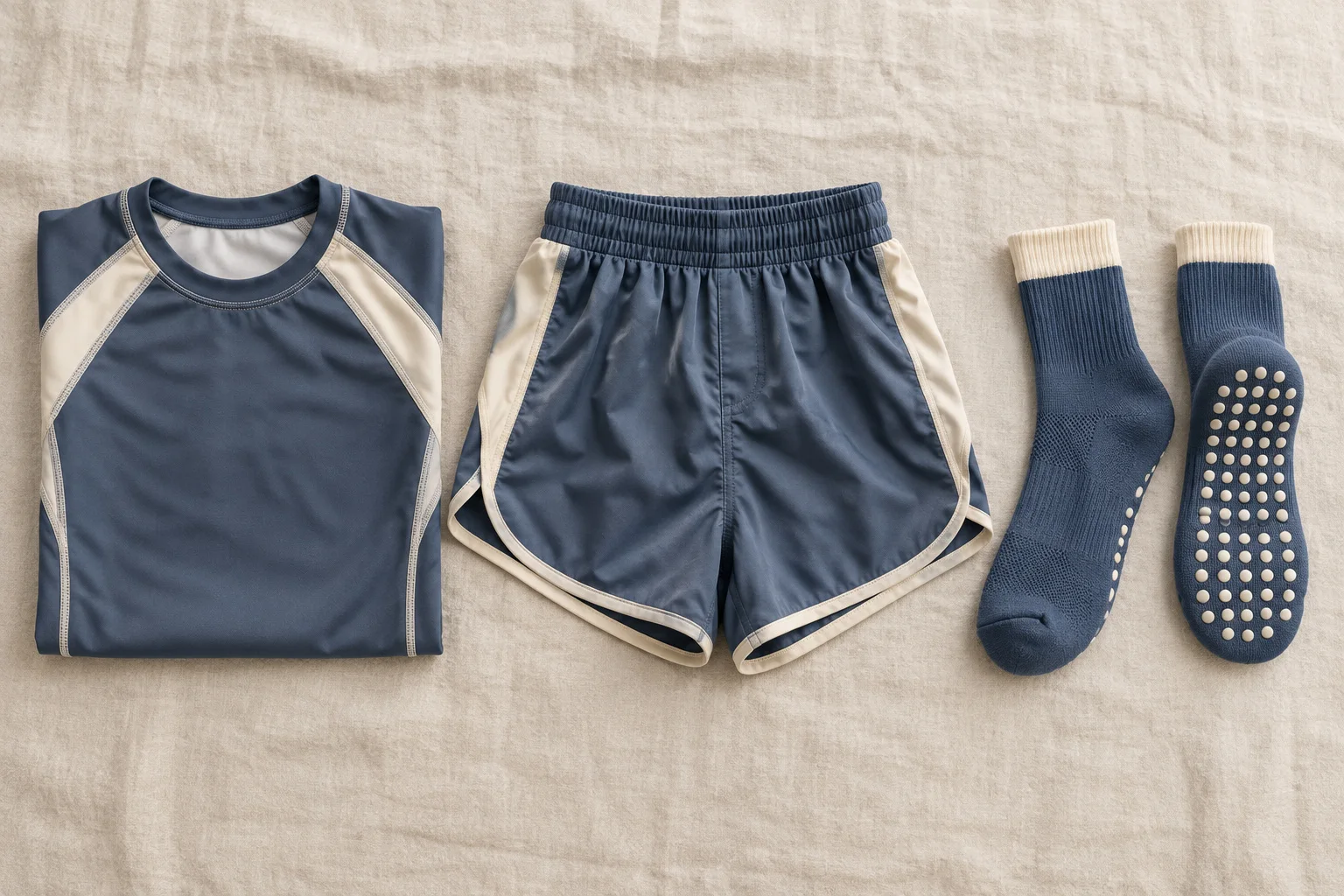
Grip socks are often ordered together with grappling shorts and other no-gi kit as part of an academy or club uniform program.
Grappling socks: frequently asked questions
Do grappling socks actually stop you slipping?
On a sweaty mat, yes, noticeably — provided the grip covers the whole sole. A sock with grip only on the ball of the foot slides when you post on the heel or the outside edge.
Are grappling socks allowed in BJJ competition?
In most rulesets, no. Competition uniform rules generally require bare feet. Treat grip socks as training kit and check your event’s current rulebook before assuming otherwise.
Do they help prevent ringworm and athlete’s foot?
They remove the direct skin-to-mat contact that spreads foot infections, which is why many academies now require them. They are not a substitute for cleaning the mats.
How do I wash grappling socks?
Cold wash, inside out, hang dry. Tumble drying degrades the silicone grip quickly — heat is what kills grip socks, not training.
What size grappling socks should I order?
Order by shoe size, not by S/M/L. The grip pattern is positioned for a specific foot length; a sock that is too large puts the arch dots under the wrong part of your foot.
Can I get grip socks with my academy logo?
Yes. The most durable placement is worked into the silicone sole print or knitted into the cuff. Send your logo and colour references with the inquiry and we will confirm what the knit and print can hold.
Are grappling socks good for BJJ training?
For training, yes. They restore traction on a sweaty mat for standing work, takedown entries and guard retention, and they put a barrier between your skin and a shared mat. Bare feet remain standard for competition, and some coaches prefer bare feet for gi training.
Grappling socks or wrestling shoes on a BJJ mat?
Grappling socks. Wrestling shoes grip harder and support the ankle, but they are usually banned on BJJ mats because the sole can injure a training partner. Grip socks are sock-soft against another body and grippy against the mat.
Related: Wrestling kit: wrestling singlets and wrestling headgear. No-gi kit: grappling shorts and rash guards. Carry kit in custom gear bags.
Grappling socks product views
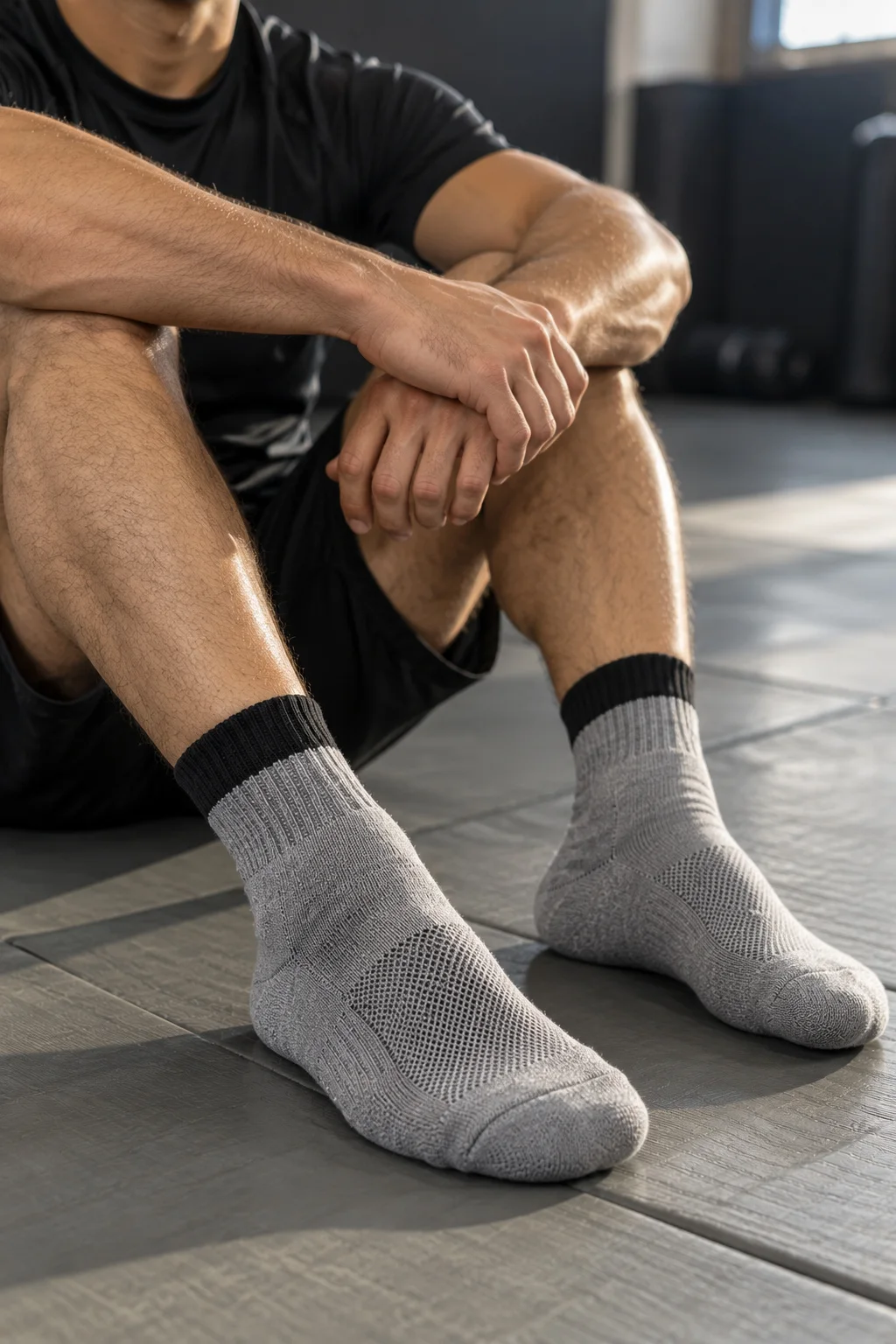
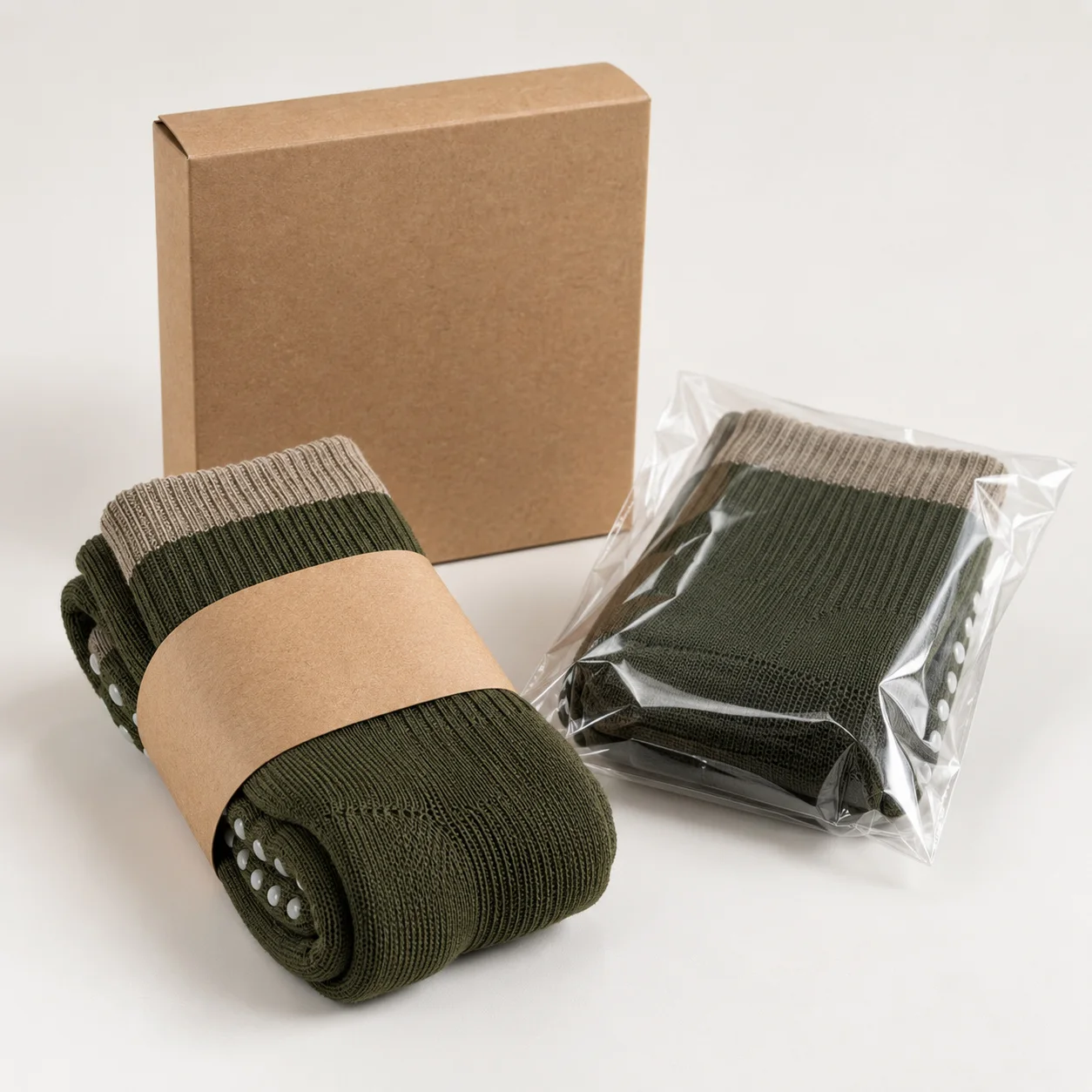
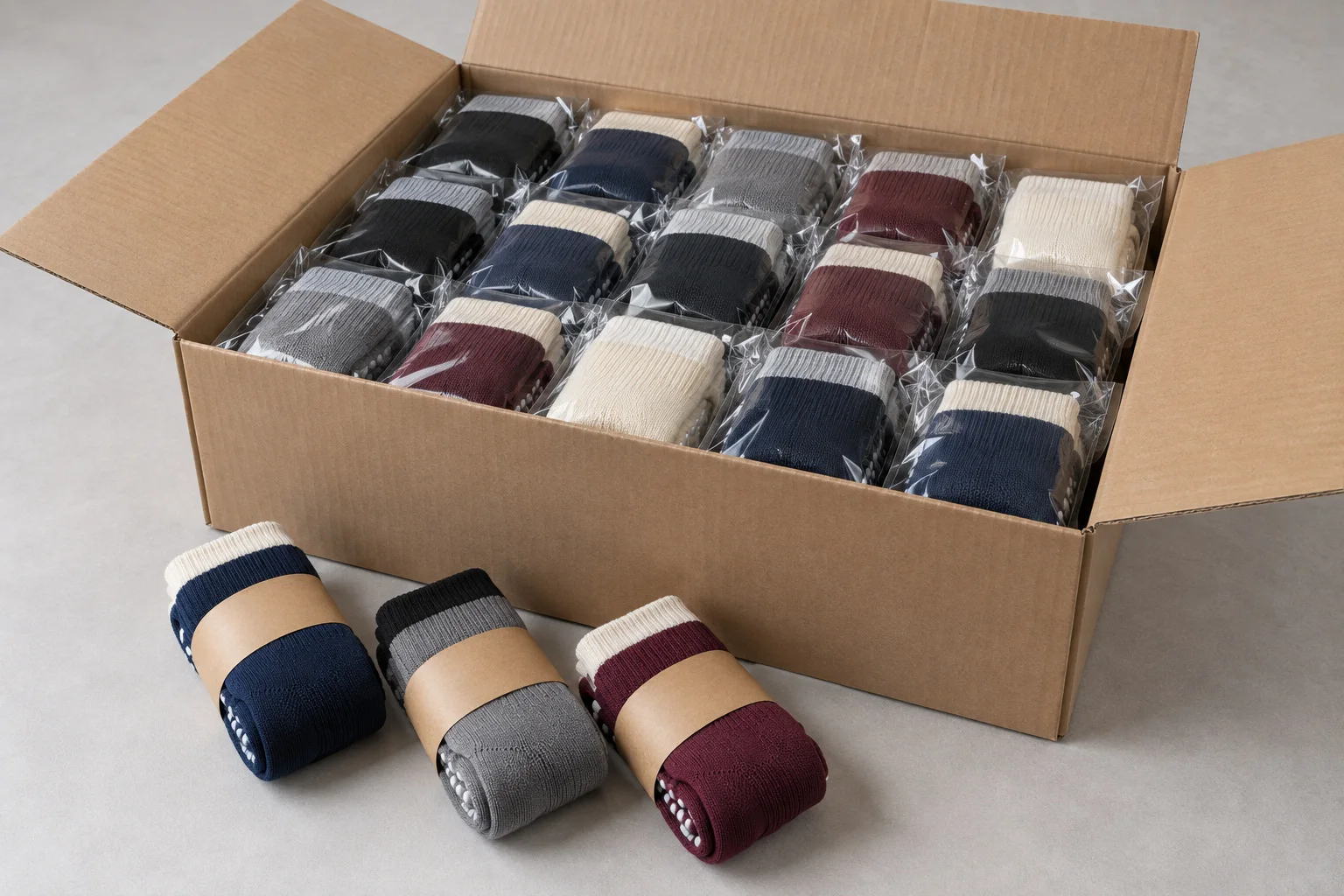
Styles, colorways and close-up details for grappling socks. Tap any image to enlarge.
Where your grappling socks are made
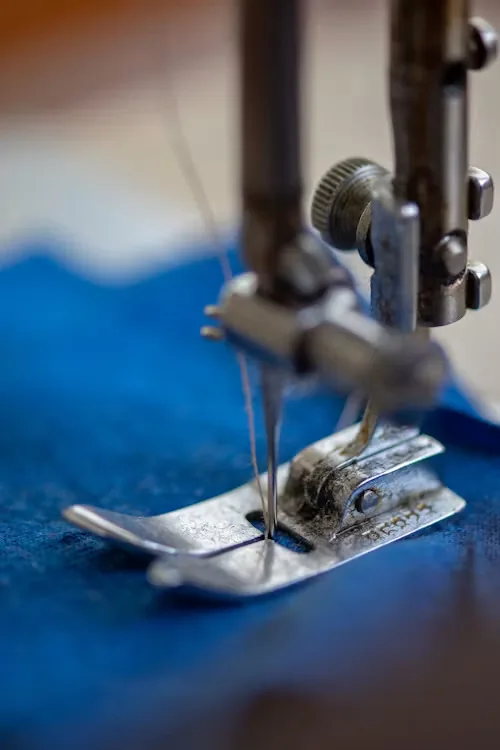
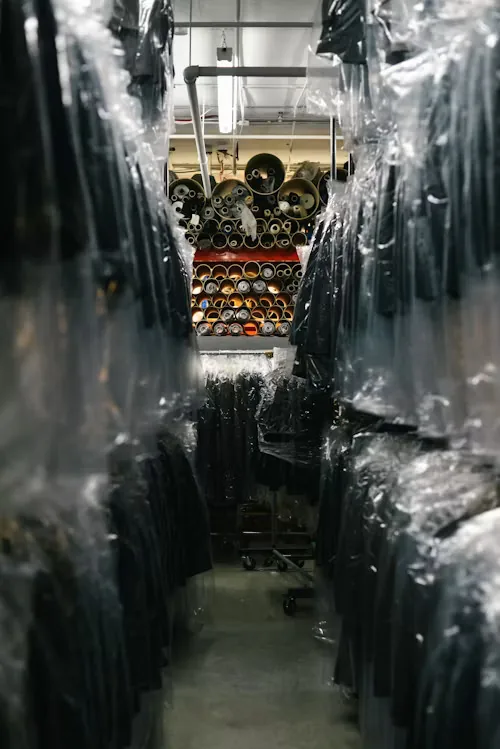
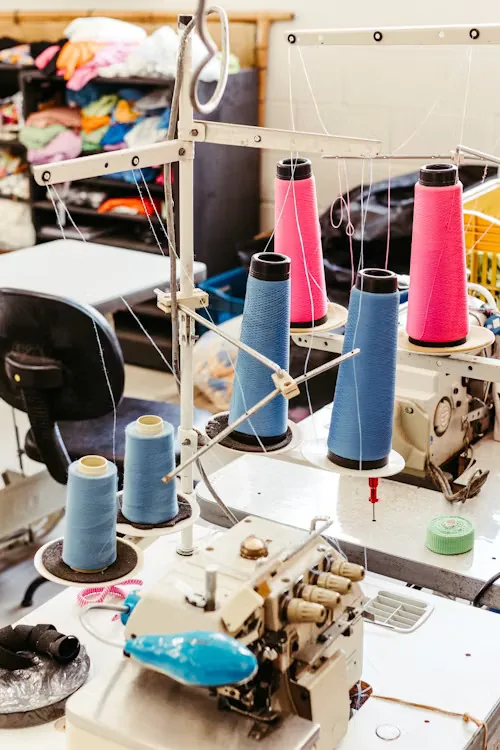
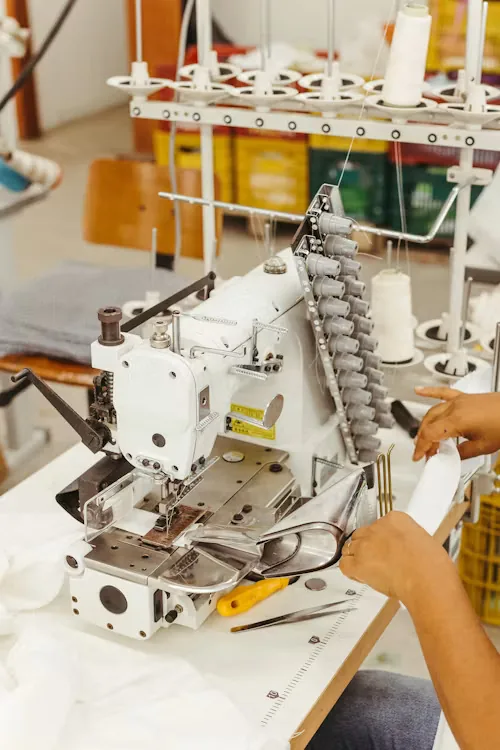
Photographs from our own unit in Sialkot, where grappling socks are cut, stitched, checked and packed for dispatch.
Custom grip socks for your academy or brand
Send your logo, the colourways you want and the size bands you need. We confirm the knit, grip pattern, size grading and MOQ against your actual order before sampling.
Manufacturing specification & terms
| Minimum order (per design) | Confirmed per order |
|---|---|
| Starting price | From US$50 per pair. The final price depends on specification and quantity and is confirmed in your written quotation. |
| Mixed sizes | Yes, across sizes |
| Fabric | Knitted cotton blend |
| GSM / weight | Confirmed for the selected fabric and product in your written quotation / approved sample |
| Sample time | 7-10 working days |
| Bulk lead time | 20-30 working days |
| Branding | Woven / printed labels, embroidery, sublimation and patches |
| Packaging | Brand/size/care labels and individual packing to the approved order instructions |
| Sample fee | The sample fee is typically USD 100-200 per sample depending on the product and specification, and is credited against your bulk order. |
| Payment / delivery | 100% advance payment with order confirmation. We accept Western Union, PayPal and Alibaba. DDP - Delivered Duty Paid. We arrange export documentation, freight and import duty to your delivery address. |
Quality control: every order passes Fabric, GSM and weight, Sizing and measurements, Stitching and construction, Print and embroidery, Final inspection checks. See our full QC process →