BJJ gi weave guide: compare the fabric, not just the name.
A weave label is a starting point, not a complete specification. Use this guide to ask better questions about fabric weight, construction and the finished gi.
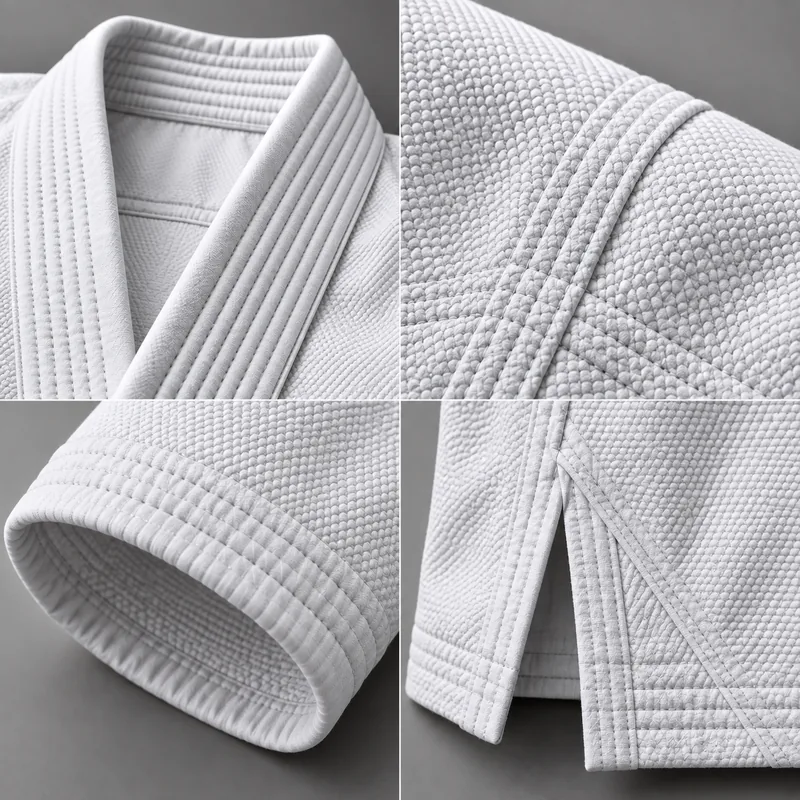
GSM describes fabric mass per square meter. It does not, on its own, establish the finished gi’s weight, durability, shrinkage or suitability for a particular competition. Compare the proposed material and garment sample together.
Last updated · Combatwear Factory
What a weave name tells you
Suppliers may describe gi fabrics using names such as pearl weave, gold weave or single weave. Those names help begin a material discussion, but they do not uniquely identify every yarn, finish or construction detail. Ask for the actual fabric reference proposed for your order.
Do not treat two quotes using the same weave term as automatically equivalent. Request the material information and sample evidence needed for the intended garment.
The five gi weaves at a glance
Pearl weave: the most common gi weave. A tight, pebbled texture that balances weight, durability and comfort, used for both training and competition gis.
Gold weave: a hybrid between single and double weave. Softer and more absorbent than single weave while staying durable, and usually heavier than pearl weave.
Single weave: lighter, more breathable and lower in cost, but less durable than the heavier weaves. Common for beginner gis and warm climates.
Double weave: thick and heavy. Very durable and harder for an opponent to grip, but hotter to train in and slower to dry.
Ripstop: a woven fabric with a reinforced grid that resists tearing. Light and quick-drying, used mainly for gi pants and some ultralight jackets.
Fabric weights for the same weave name vary between mills, so the exact weight for your order is confirmed in your quotation and on the approved sample.
Read GSM in the context of the whole gi
Fabric mass per unit area is different from the weight of a completed jacket and trousers. Garment size, pattern area, reinforcement, collar construction and the trouser fabric also contribute to the final result.
When garment weight matters, define which size and what components will be weighed. Ask how the sample is conditioned and measured rather than comparing a fabric figure with a finished-product figure.
Connect the fabric decision to the wearer
A training-focused academy order may prioritize a different feel from a retail design or an event-specific uniform. Describe your audience’s use, care routine and fit expectations. Avoid assuming one material choice is best for every situation.
Use actual sample feedback to compare handling, comfort and construction. If a tested strength or performance property is required, ask for the method and evidence tied to the proposed fabric.
Ask for a defined wash review
Request a clear evaluation method: the starting garment measurements, the care routine, the number of cycles being reviewed and the follow-up measurements. Different conditions can produce incomparable results.
Do not interpret the term pre-shrunk as a promise of zero dimensional change. Ask what the supplier means by the description and what acceptance criteria will apply to the finished garment.
Use a comparison sheet before approving
Compare candidate samples against the same questions: material reference, fit, collar and seam construction, feel, artwork result and care-review observations. Keep the record with your final specification.
The most useful result is not a universal ranking of weave names. It is a documented choice that fits your customer, order requirements and sample evidence. If the gi is for competition, verify the current event rules independently.
Gold weave vs pearl weave
These are the two gi fabrics buyers compare most often. The differences below are typical; exact weights vary by mill, so confirm them on the quotation and approved sample.
| Pearl weave | Gold weave | |
|---|---|---|
| Construction | Tight, pebbled texture | Hybrid between single and double weave |
| Feel | Balances weight, durability and comfort | Softer and more absorbent than single weave |
| Weight | Typically lighter than gold weave | Usually heavier than pearl weave |
| Typical use | The most common gi weave; training and competition gis | Durable gis where a softer, more absorbent feel is wanted |
Whichever gi fabric you shortlist, compare samples against the same checklist below. If you are specifying gis for a range, see custom BJJ gi manufacturing or wholesale BJJ gis.
Gi weave specification checklist
| Material identity | Supplier fabric reference, composition information and target mass |
|---|---|
| Finished garment | Reference size, included components and weight method if relevant |
| Sample review | Fit, handling, construction and artwork appearance |
| Care review | Starting measurements, care conditions and follow-up results |
Gi weave: frequently asked questions
Does a higher GSM always mean a better gi?
No. Fabric mass alone does not define whether the finished garment is right for the intended use. Evaluate the material and construction together.
Is fabric GSM the same as the weight of the gi?
No. GSM is mass per unit area of fabric; a finished gi also depends on size, pattern, components and construction.
Does pre-shrunk mean it cannot shrink?
Do not assume that. Ask how the term is defined for the proposed material and agree the care-review conditions and acceptable dimensional change.
What is the difference between gold weave and pearl weave?
Pearl weave is the most common gi weave, with a tight pebbled texture that balances weight, durability and comfort. Gold weave is a hybrid between single and double weave, softer and more absorbent than single weave, and usually heavier than pearl weave.
What gi fabric should I choose?
There is no universal best gi fabric. Match the weave and weight to the wearer’s use, climate and care routine, then compare samples for fit, handling, construction and wash results before approving.
Which BJJ gi weaves do you produce?
We produce Pearl Weave, Gold Weave, Single Weave, Double Weave and Ripstop. All five run on the same minimum per design, and a swatch set can be sent with your quotation so you can compare them side by side.
Related: Ready to produce? See BJJ gi manufacturer and custom BJJ gis. Sizing next: BJJ gi size chart.
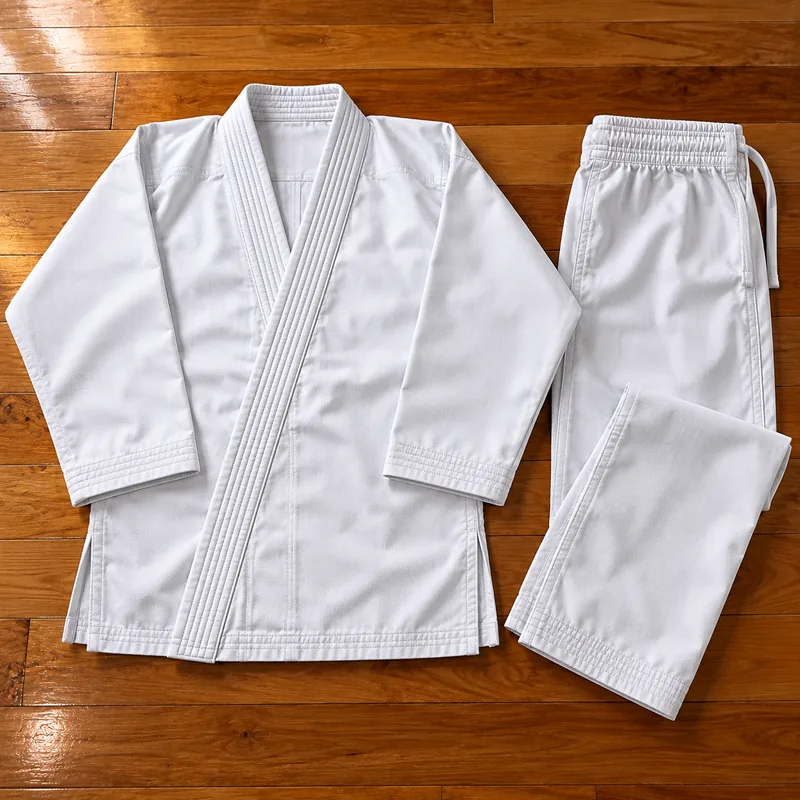
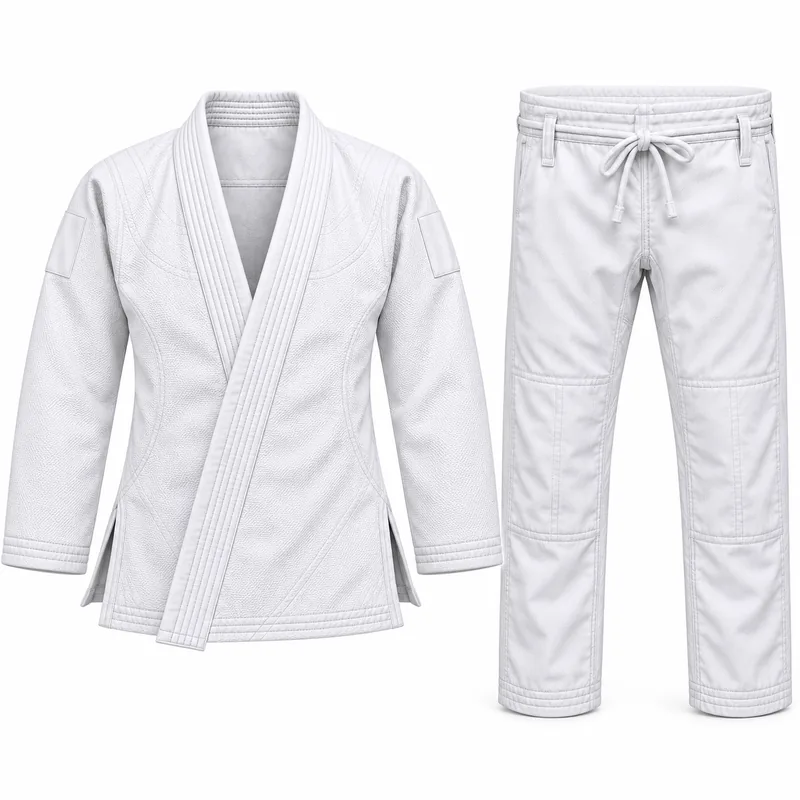
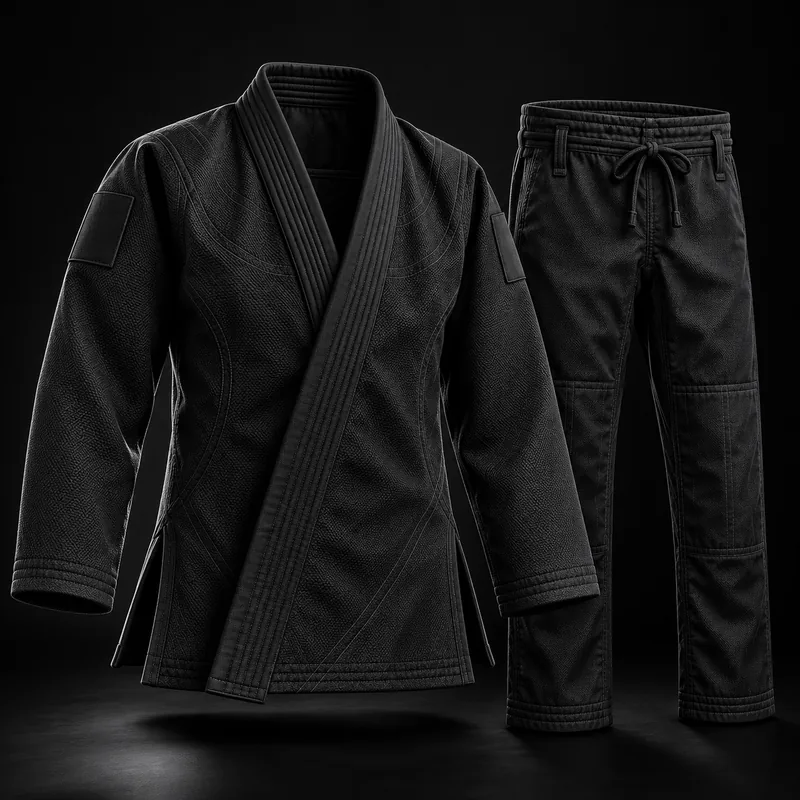
Gi weave product views
Styles, colorways and close-up details for BJJ gis. Tap any image to enlarge.
Where your BJJ gis are made
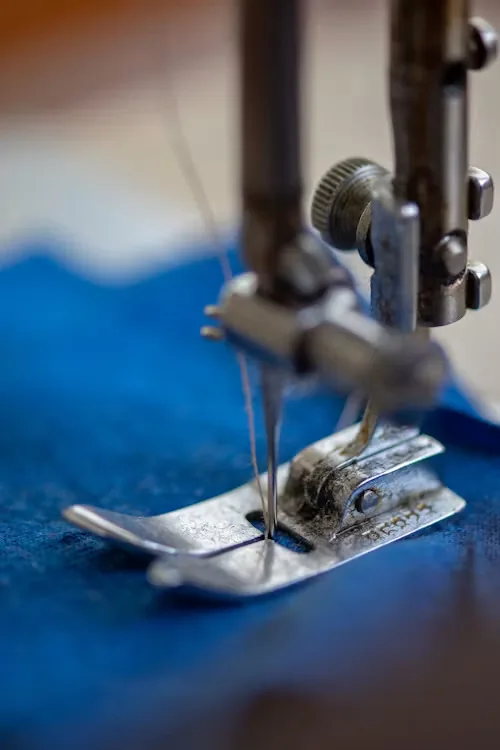
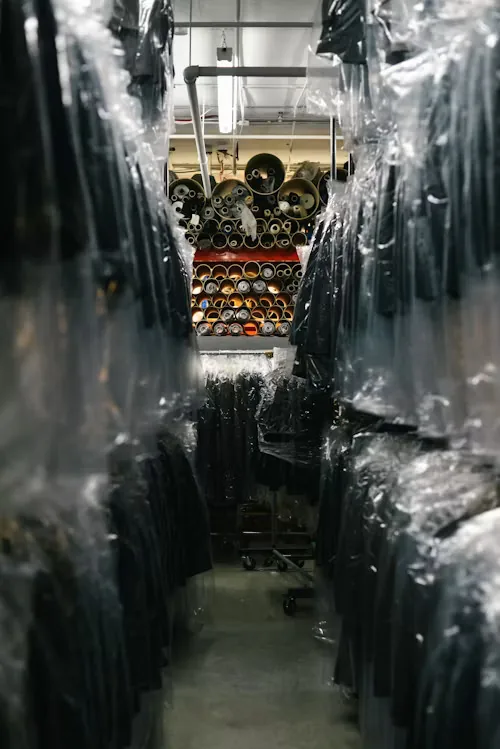
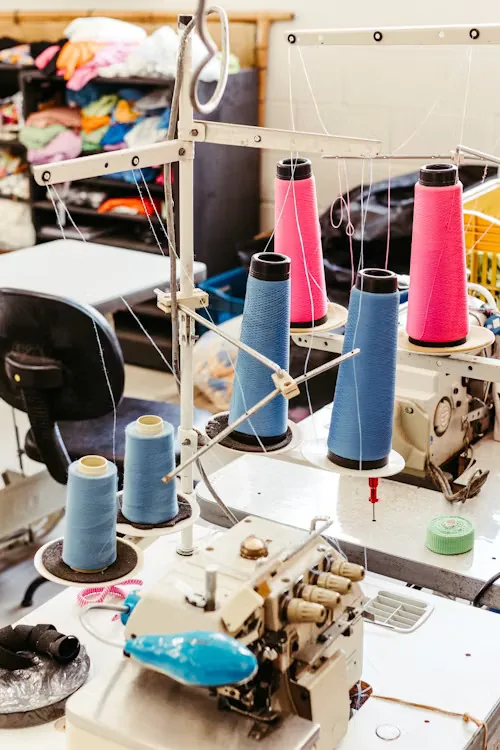
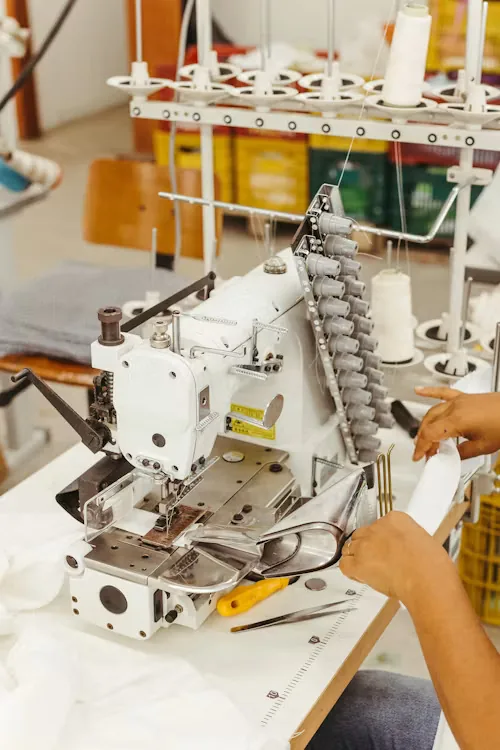
Photographs from our own unit in Sialkot, where BJJ gis are cut, stitched, checked and packed for dispatch.
Turn your weave research into a BJJ gi specification
Send your preferred weave, target weight, measurements and reference garment for a project-specific discussion.
Which gi weave should your brand choose?
The weave and finished fabric weight affect hand-feel, durability, heat and shipping weight, but there is no single GSM that is automatically best for every brand. Compare the cotton weave, target weight, shrinkage and intended use together, then record the exact approved fabric in the production specification.
Combatwear Factory works with pearl, gold, single, double and ripstop constructions. Ask for the exact GSM available for the weave and batch you are considering, then approve a physical sample before bulk so the fabric, shrinkage and finished feel are verified rather than assumed from a number alone.