Start a BJJ brand with a product your customer needs.
Before expanding a catalog, define the customer, the fit problem and the first useful product. Then turn the idea into a brief suppliers can evaluate.
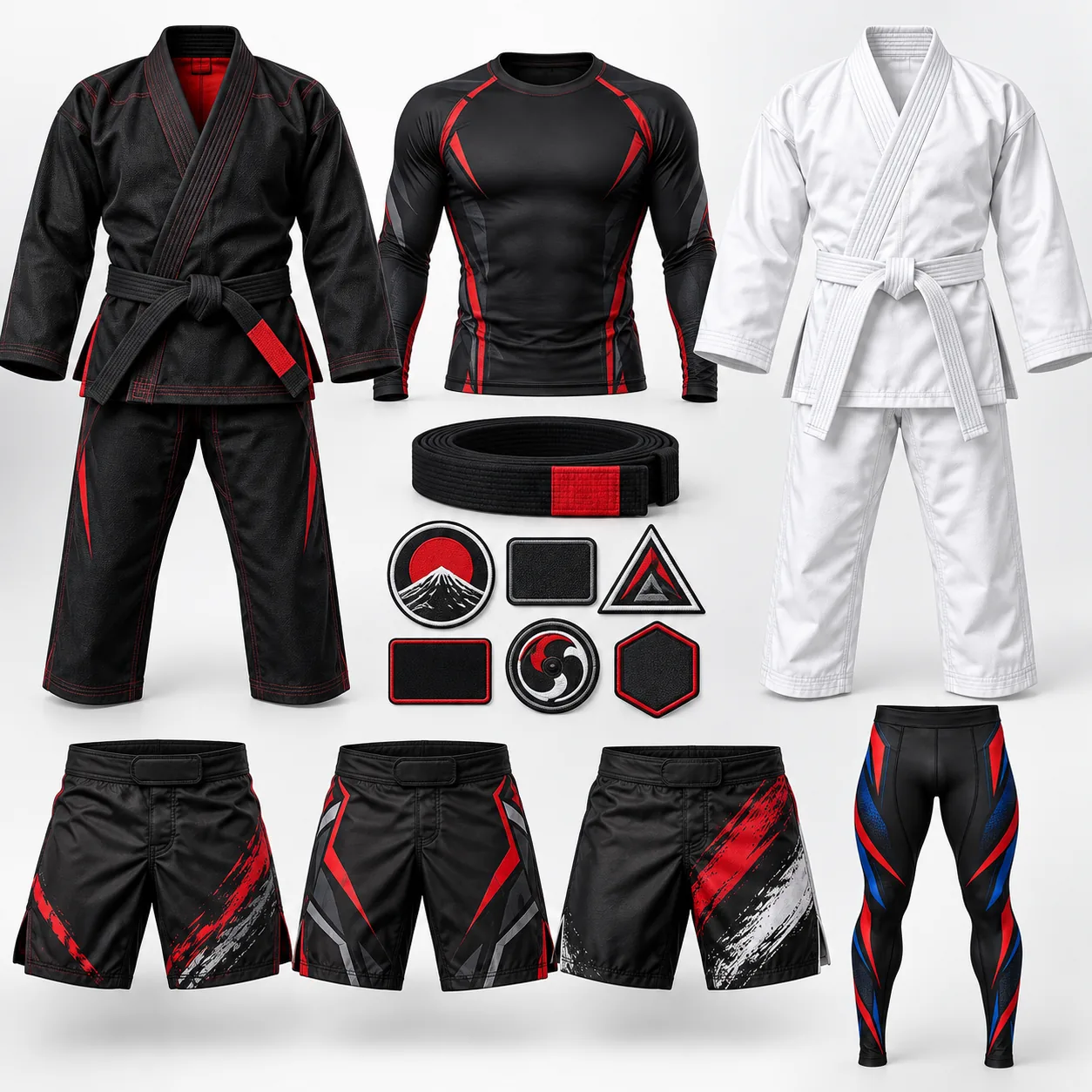
A practical BJJ brand launch connects customer research, a focused product range, a documented supplier brief and sample feedback. Manufacturing is one part of the plan; pricing, operations and customer support also need to be worked through.
Last updated · Combatwear Factory
Define a customer before a catalog
Identify who will buy the first collection and what they find missing in current options. An academy kit, a women-focused fit range and a general fightwear label start from different needs. Speak to potential customers and record concrete observations instead of assuming that a new logo creates demand.
Choose a focused first range. Each additional style, color and size adds specification and stock-planning decisions. Keep the scope connected to the customer evidence you have.
Turn the idea into a supplier brief
Describe the intended use, product references, measurements, materials and artwork. Separate essential requirements from preferences that can be discussed. State the target quantity by style and size, not only the overall budget.
Ask each supplier to identify assumptions, included work, sample terms and exclusions. This makes quotations more comparable and exposes decisions that still need to be made.
Treat the sample as a decision tool
Review fit, construction, artwork and finishing against a written checklist. Include intended wearer feedback and record specific corrections. A photograph can help with the visual review, but it does not answer every question about the physical garment.
Keep versioned records of the sample, measurement chart and artwork. Confirm which version becomes the production reference before making a bulk-order commitment.
Work out the full commercial picture
Build a cost model that includes product development, production, packaging, freight and the other costs relevant to your business. Consider stock allocation, exchanges, customer service and the cash tied up in the size assortment. Obtain qualified advice for market-specific tax, import and labeling requirements.
Do not set a launch date from a generic advertised turnaround. Confirm sample approval, material availability and the actual delivery arrangement before communicating commitments to customers.
Build trust using evidence you can support
Use accurate product images, an actual measurement chart and clear explanations of the garment’s intended use. Publish performance or certification claims only when you have applicable evidence. Use genuine customer feedback with permission.
After launch, track the fit questions, returns and repeat-order needs your customers report. Use that information to improve the next specification rather than adding more products without solving the first collection’s issues.
BJJ brand specification checklist
| Customer | Audience, use case and observed problem |
|---|---|
| First range | Products, sizes, colors and stock assumptions |
| Supplier brief | Measurements, materials, branding and sample checks |
| Launch readiness | Confirmed terms, operating plan and accurate product information |
BJJ brand: frequently asked questions
Do I need a large product range to start?
No fixed range size is required. Start with products that address a clear customer need and that you can specify, fund and support properly.
Should I order bulk before reviewing a sample?
A sample review is a useful way to evaluate the proposed product before a larger commitment. Agree the sample scope and how corrections will be handled.
Can a manufacturer guarantee my brand will sell?
No. Product development supports the offer, but demand, positioning, pricing, distribution and customer experience are separate business responsibilities.
How do I find a BJJ gi manufacturer?
Shortlist manufacturers that publish concrete terms rather than adjectives, ask each one for the same written specification, and order a sample from the two you shortlist before committing to bulk. Look up our registration numbers independently (SECP Registration 1471400, FBR NTN A240442-4, SCCI Membership 14715), ask for a live video call from the production floor, order a sample before bulk, and check the address on the map. A supplier who discourages any of those is telling you something.
How many products do I need to launch a BJJ brand?
One, done properly. Most brands that last start with a single gi or a single rash guard design, prove the fit and the finish on a first production run, and add products from there.
What is a realistic minimum order for a first range?
The minimum order is 30 pieces per design and colorway, and sizes can be mixed freely inside that minimum. Belts and patches have a minimum of 100 pieces per design.
Related: Ready to launch? See private label BJJ gear and low MOQ manufacturing. Choosing a model: private label vs OEM vs ODM. Choosing a factory: how to choose a BJJ gi manufacturer.
BJJ brand product views
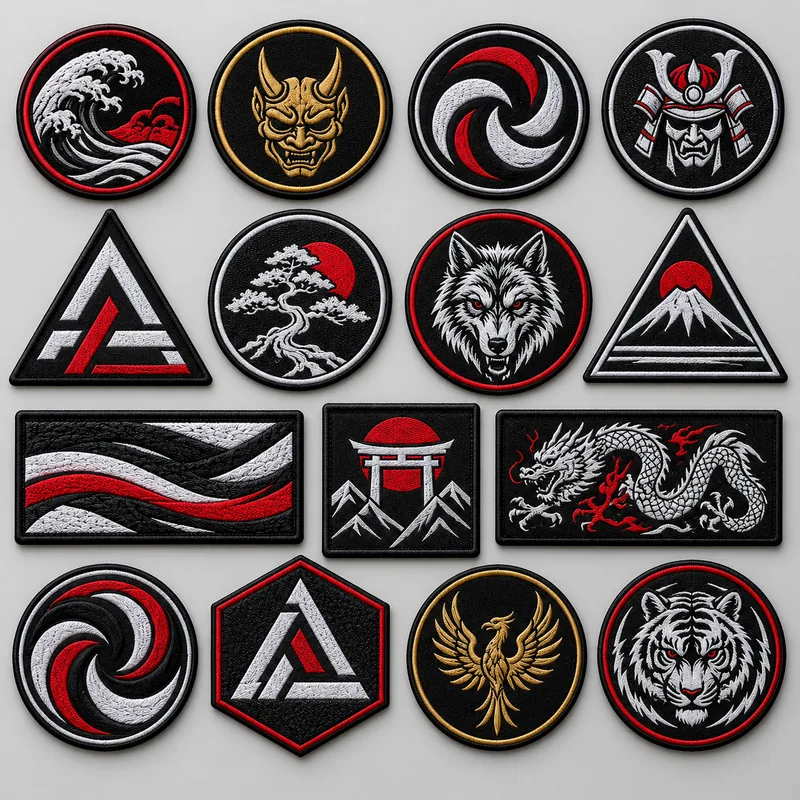
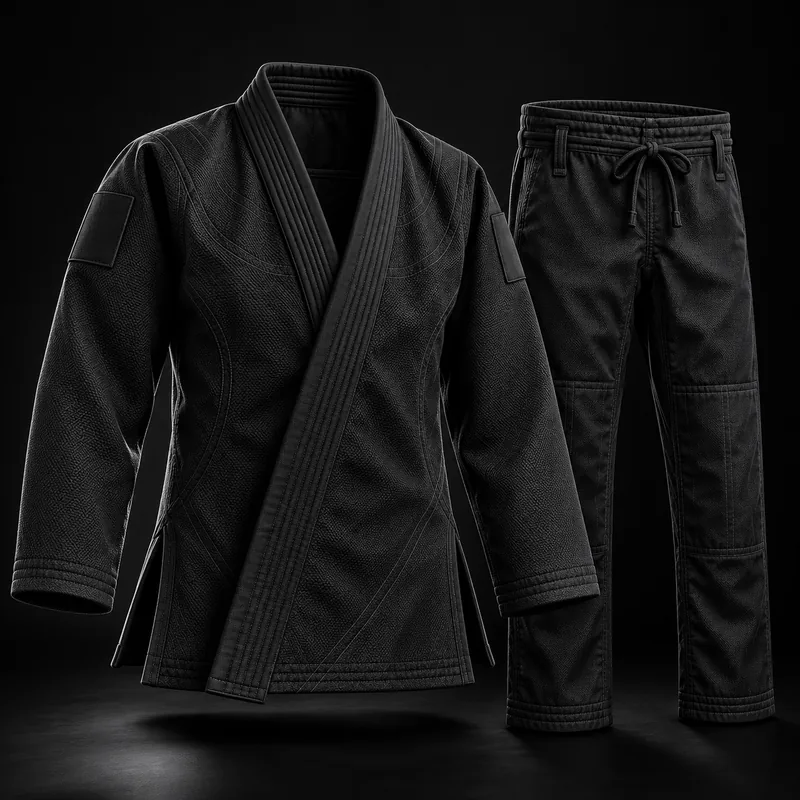
Styles, colorways and close-up details for first BJJ brand collections. Tap any image to enlarge.
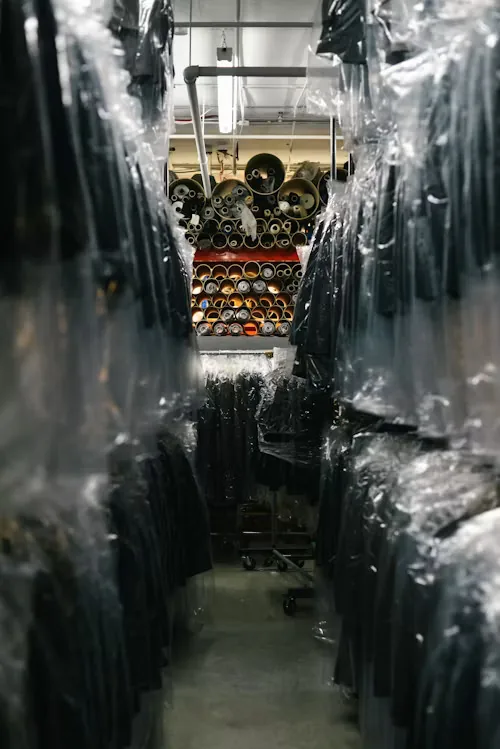
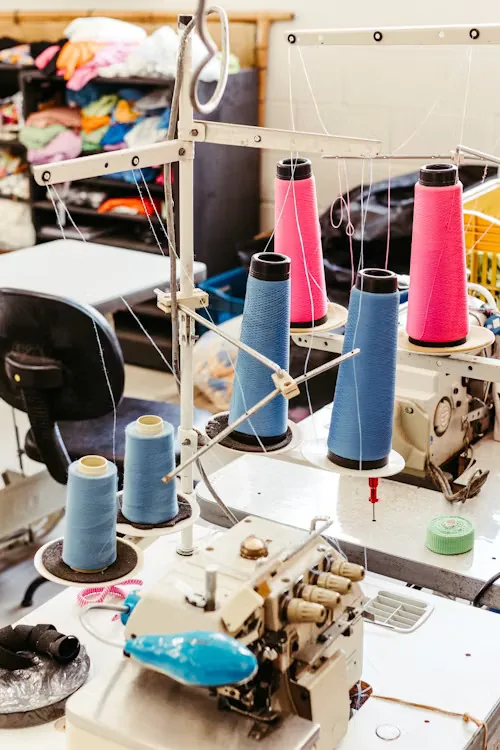
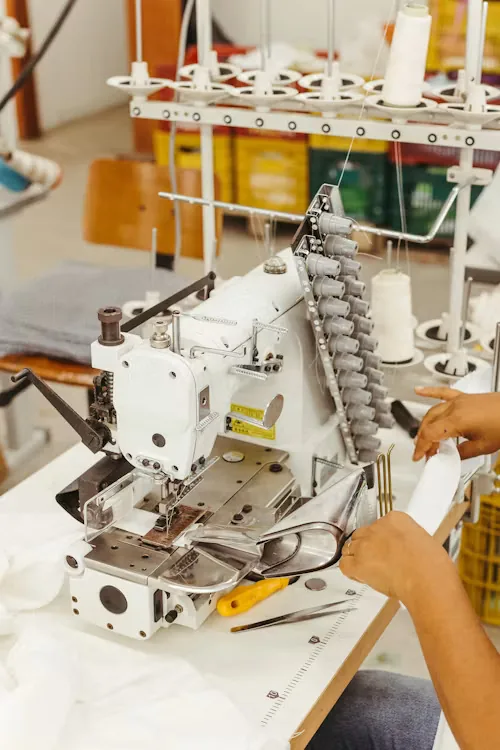
Where your first BJJ brand collections are made
Photographs from our own unit in Sialkot, where first BJJ brand collections are cut, stitched, checked and packed for dispatch.
Turn your BJJ brand idea into a product brief
Send your product concept, target customer, artwork and expected quantities to start a sourcing discussion.
From idea to first BJJ collection — a supplier-ready plan
Start focused, not with everything at once. A practical path: (1) pick a tight range — usually a gi plus a rash guard — before expanding; (2) lock your look, logo and patch placements; (3) decide between private label and fully custom development; (4) confirm MOQ, sample fee and lead time with a manufacturer; (5) approve a physical pre-production sample before bulk; (6) sort your woven labels, hang tags and packaging; and (7) plan sizing and shipping terms. Prove quality on a small first order, then reorder and grow.