How to choose grappling shorts
We cut these open for a living. Here is what actually separates a pair you keep from a pair that splits in month two.
Choose grappling shorts on four things: a stretch gusset at the crotch, a side slit or stretch panel long enough for full hip flexion, an internal non-slip waistband with the cord inside, and flat-locked or bonded seams. Fabric should be four-way stretch at roughly 160–220 GSM. No pockets, no zips, no metal.
Last updated · Combatwear Factory
1. Turn them inside out and look at the crotch
This is the first thing to check and the one most buying guides skip. A short cut from flat front and back panels concentrates every bit of strain from a high guard or a deep squat onto one seam intersection, and that is where it splits.
A diamond or triangular gusset spreads that load across four seams and puts the stretch exactly where the hip opens. If you can only check one thing, check this.
2. Measure the slit, not the length
Overall length tells you less than people think. What limits your hip is how far up the outer thigh the side slit or stretch panel runs.
Too short and you feel it the first time you try to pass guard or throw a knee. Too long and the flap catches, gets gripped and eventually tears at the top of the slit. A stretch panel instead of an open slit gives you the range without the flap.
3. The waistband decides whether you spend the round adjusting
You want a wide, flat internal band with the drawcord inside it. A narrow rolled elastic migrates and folds over. An external drawcord is both a grip handle for your opponent and a hazard, which is why rulesets ban external loops.
Velcro fly or tie-only. No zips, no buttons, no metal eyelets — these injure training partners and will get you sent off the mat.
4. Fabric weight is a trade, not a quality marker
Four-way stretch polyester or poly-spandex, roughly 160–220 GSM. Lighter dries faster and rolls cooler; heavier lasts longer and resists abrasion better.
Neither is “better”. If you train twice a day in a hot gym, lighter. If you train on abrasive mats or you are hard on kit, heavier.
5. Seams and print
Flat-locked or bonded seams sit flush. A standard overlocked inseam has a raised ridge that abrades the inner thigh over long rounds — you notice it in week three, not on day one.
For artwork: sublimation prints into the fabric before cutting, so it does not crack at the seams and never peels. Screen print sits on top and is fine for a small flat logo. Heat transfer on a short that gets stretched and scraped is the one that fails.
What not to use
Regular gym shorts are the common mistake. Pockets catch fingers and toes — this is how fingers get broken — zips and drawstrings injure partners, and non-stretch woven fabric splits at the crotch the first time you play open guard.
Board shorts have the same problems plus a stiff waistband. Compression shorts alone are usually worn under grappling shorts rather than instead of them.
Grappling shorts: frequently asked questions
What should I look for in grappling shorts?
A stretch gusset at the crotch, a side slit or stretch panel long enough for full hip range, an internal non-slip waistband with the cord inside, flat-locked seams, and no pockets, zips or metal.
Why do grappling shorts split at the crotch?
Because they were cut from flat panels with no gusset, so all the strain of a high guard lands on one seam intersection. A diamond gusset spreads that load and is the single best predictor of how long a pair lasts.
Can I wear gym shorts for no-gi BJJ?
No. Pockets catch fingers and toes, zips and drawstrings injure training partners, and non-stretch fabric splits. Most gyms and rulesets require purpose-built no-gi shorts.
What GSM should grappling shorts be?
Roughly 160–220 GSM in four-way stretch. Lighter dries faster and rolls cooler; heavier lasts longer on abrasive mats.
How long should grappling shorts be?
Mid-thigh to just above the knee for most people, but the slit length matters more than the overall length — that is what limits your hip.
Do I wear anything under grappling shorts?
Most people wear compression shorts or spats underneath, for chafe protection and hygiene on a shared mat.
Related: Developing your own? See grappling shorts manufacturer. For MMA fight shorts see custom MMA shorts; for Thai-style see kickboxing shorts.
Where your grappling shorts are made
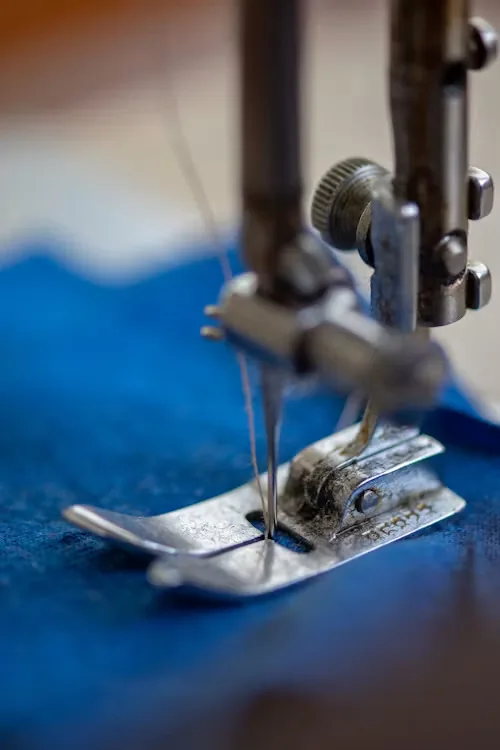
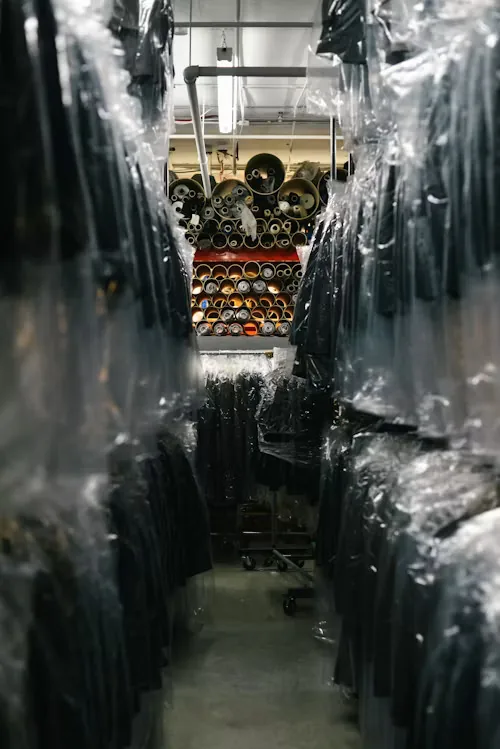
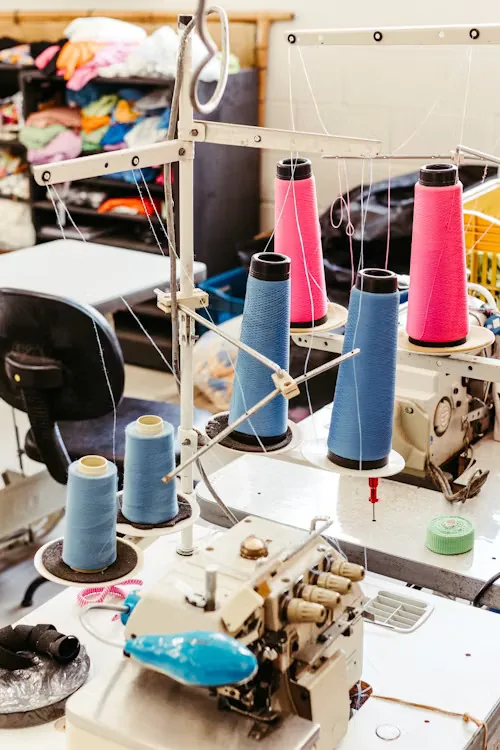
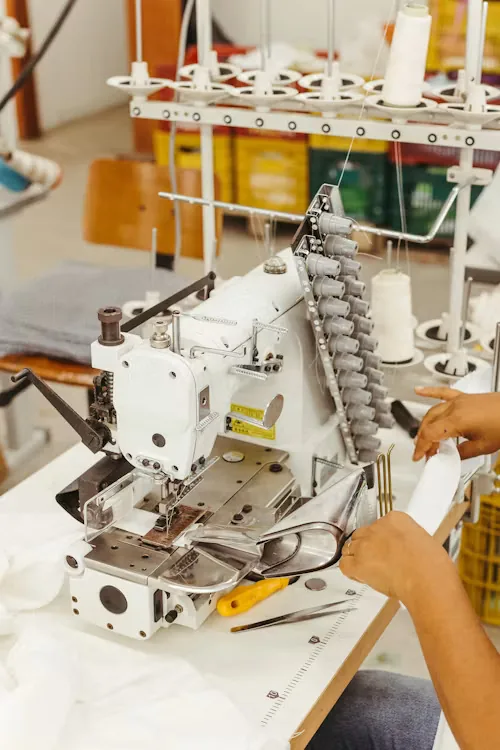
Photographs from our own unit in Sialkot, where grappling shorts are cut, stitched, checked and packed for dispatch.
Developing your own grappling short
Send a reference pair or your measurements and your artwork. We build the fit sample first, then confirm grading and MOQ before bulk production.