BJJ gi size chart: adult, women’s and kids sizes
Start with the chart below, then check it against the actual garment measurements. A-sizes are not standardised between brands, so the same A2 can fit two ways.
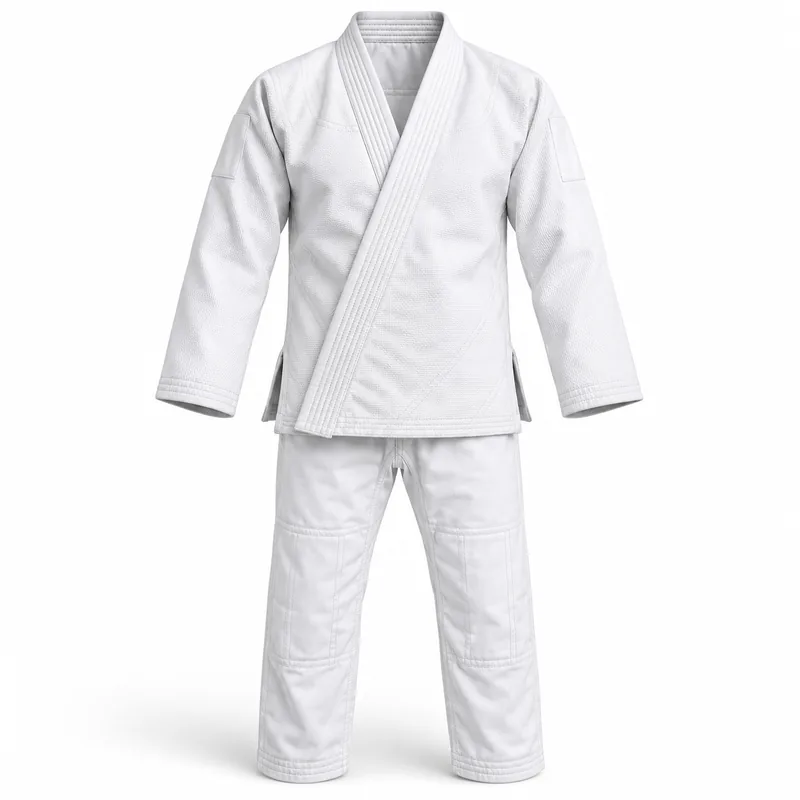
Adult BJJ gis run A0 to A5 and are chosen from height and weight. A1 covers roughly 5’3″–5’8″ and 125–165 lb, A2 roughly 5’7″–6’0″ and 155–195 lb. Women’s gis use F sizes and kids use M sizes. Because no governing body sets these, always compare the brand’s own chart and the measured garment before ordering.
Last updated · Combatwear Factory
BJJ gi size chart (height and weight)
Typical ranges across brands. They overlap on purpose because build matters as much as height. Check the maker’s own chart before you buy or produce.
| Size | Height | Weight |
|---|---|---|
| A0 — adult | 5’0″–5’4″ (152–163 cm) | 100–135 lb (45–61 kg) |
| A1 — adult | 5’3″–5’8″ (160–173 cm) | 125–165 lb (57–75 kg) |
| A2 — adult (most common) | 5’7″–6’0″ (170–183 cm) | 155–195 lb (70–88 kg) |
| A3 — adult | 5’11″–6’3″ (180–191 cm) | 185–225 lb (84–102 kg) |
| A4 — adult | 6’2″–6’5″ (188–196 cm) | 215–255 lb (98–116 kg) |
| A5 — adult | 6’4″ (193 cm) and up | 245 lb (111 kg) and up |
| F1 — women’s | 5’0″–5’3″ (152–160 cm) | 105–125 lb (48–57 kg) |
| F2 — women’s | 5’2″–5’5″ (157–165 cm) | 120–140 lb (54–64 kg) |
| F3 — women’s | 5’4″–5’7″ (163–170 cm) | 135–160 lb (61–73 kg) |
| F4 — women’s | 5’6″–5’9″ (168–175 cm) | 155–180 lb (70–82 kg) |
| M0 — kids | 3’7″–3’11″ (109–119 cm) | 45–55 lb (20–25 kg) |
| M1 — kids | 3’11″–4’3″ (119–130 cm) | 55–70 lb (25–32 kg) |
| M2 — kids | 4’3″–4’7″ (130–140 cm) | 70–85 lb (32–39 kg) |
| M3 — kids | 4’7″–4’11″ (140–150 cm) | 85–100 lb (39–45 kg) |
| M4 — kids | 4’11″–5’3″ (150–160 cm) | 100–120 lb (45–54 kg) |
Between two sizes? Read this first
If you are between two sizes, the deciding factor is cotton shrinkage. An unshrunk 100% cotton gi in pearl or gold weave usually loses a little length in the first few hot washes, so sizing down is common on a new gi and sizing up is common on a pre-shrunk or ripstop one.
Height drives jacket and trouser length; weight drives chest and thigh width. If your height and weight point at different sizes, pick by height and have the width altered, because length is the harder thing to fix.
How A, F and M sizes work
A sizes are adult unisex and run A0 to A5, with A6 at a few brands. F sizes are the women’s cut: shorter sleeves and jacket, narrower shoulders, wider hip. M sizes are youth, numbered by height rather than age.
Some brands add H (husky) and L (long) variants to the same number, so A2L is an A2 width with extra length. None of this is standardised, which is why two A2s from two brands can differ by several centimetres in sleeve reach.
Why a universal chart can mislead
Two products with the same size label can have different proportions. Jacket length, shoulder width, sleeve dimensions and trouser rise may vary independently. A chart that lists only a wearer’s height and weight cannot show every fit difference.
For a manufacturing order, ask for actual garment dimensions and the points used to measure them. Keep body measurements and garment measurements clearly distinguished.
Record the jacket measurements consistently
Define how chest width, shoulder width, sleeve reach, jacket length and overlap will be measured. Use a simple marked reference so the supplier and the buyer measure the same points. State whether the garment is lying flat and whether any stretch is applied.
Record the sample condition, including whether it has been washed. Comparing an unwashed production reference with an older, repeatedly washed garment without noting the difference can lead to incorrect corrections.
Build a separate trouser measurement record
Specify waist conditions, rise, hip width, thigh width, inseam and leg opening as required for the design. Agree which measurements matter for fit and which will be used as acceptance criteria.
If the jacket and trousers have different fit issues, describe them separately. Changing the overall size label may solve one problem while introducing another.
Use feedback from the intended audience
Adult, women’s and youth patterns may need different proportion decisions. Review movement and coverage with the intended wearer group rather than assuming that scaling a single pattern answers every need.
For an academy, collect recurring fit observations in a consistent format. For a brand, keep a reference sample and a clear method for explaining fit to future customers.
Review measurements across the range
Choose the sample size and identify where additional grading or fit review is needed. Check artwork positioning again when garment proportions change. Keep the final chart attached to the approved design.
Request the measurement chart for the proposed product. Use it as the reference for fit discussions, and verify any competition measurements against current organizer rules.
BJJ gi sizing: frequently asked questions
What size BJJ gi am I?
Find your height and weight in the chart above. At 5’8″ and 170 lb you are an A2 at most brands; at 5’4″ and 150 lb you are an A1. Where the two inputs disagree, go by height.
What size is A2 in a BJJ gi?
A2 is the most common adult size, covering roughly 5’7″ to 6’0″ and 155 to 195 lb. Check the individual brand chart, because A2 is not a fixed measurement.
Should I size up or size down for shrinkage?
It depends on the fabric. Unshrunk 100% cotton loses length in hot washes, so many people size up or wash cold and hang dry. Pre-shrunk and ripstop gis move very little, so buy your measured size.
Are A-size labels the same across brands?
No. There is no governing standard for gi sizing. Compare the brand’s own chart and, if you can, the flat garment measurements.
What size gi for a child?
Kids gis use M sizes set by height, not age. M2 suits roughly 4’3″ to 4’7″ and 70 to 85 lb. Buy for current height; an oversized gi is a grip liability in training.
Related: Ordering youth sizes? See kids BJJ gis. Women’s fit: women’s BJJ gis. Belts: BJJ belt size chart. Production: BJJ gi manufacturer.
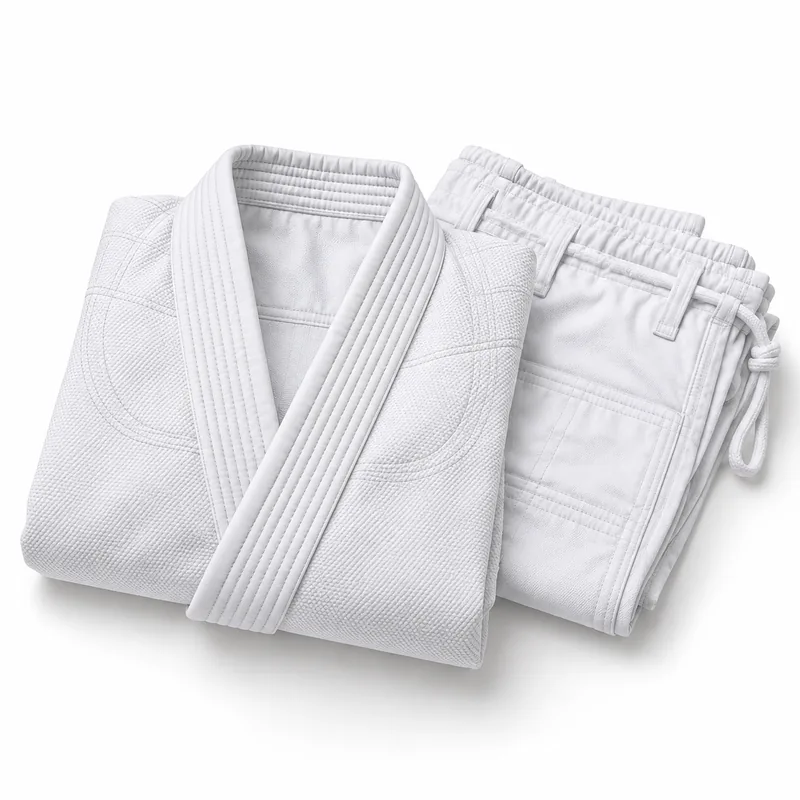
BJJ gi sizing product views
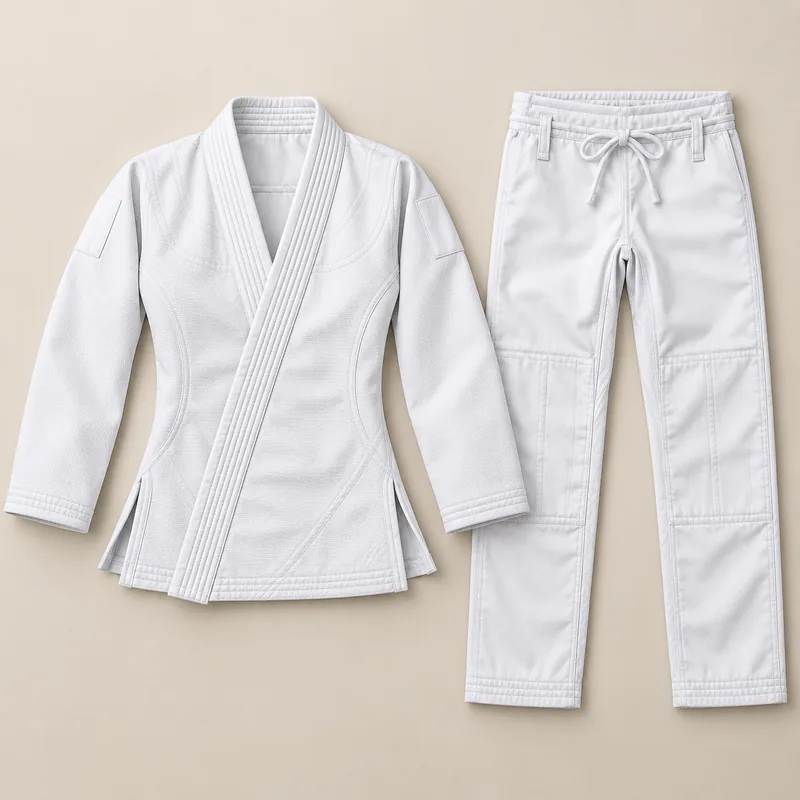
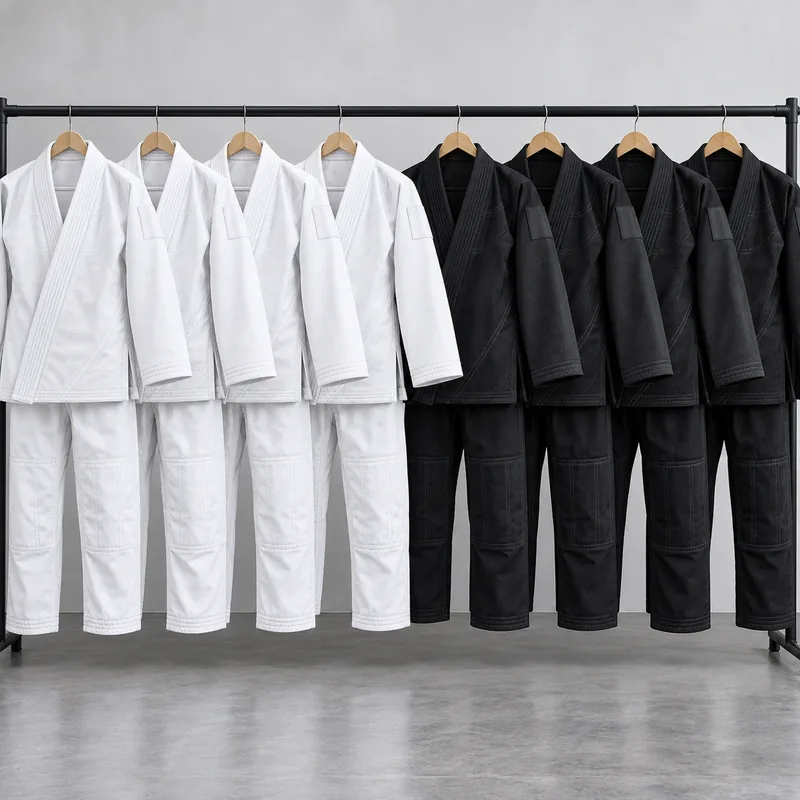
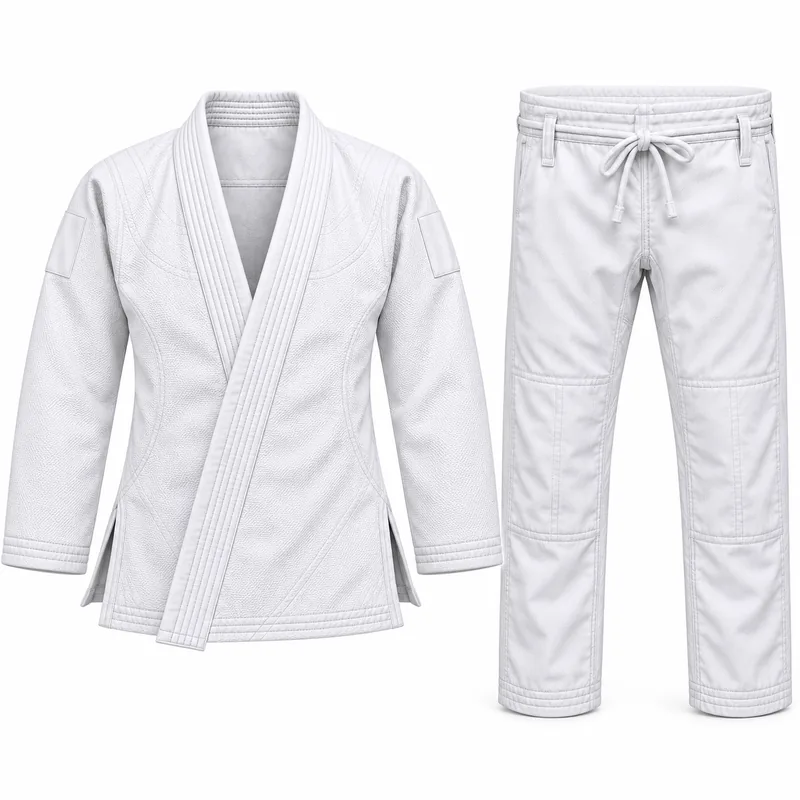
Styles, colorways and close-up details for BJJ gis. Tap any image to enlarge.
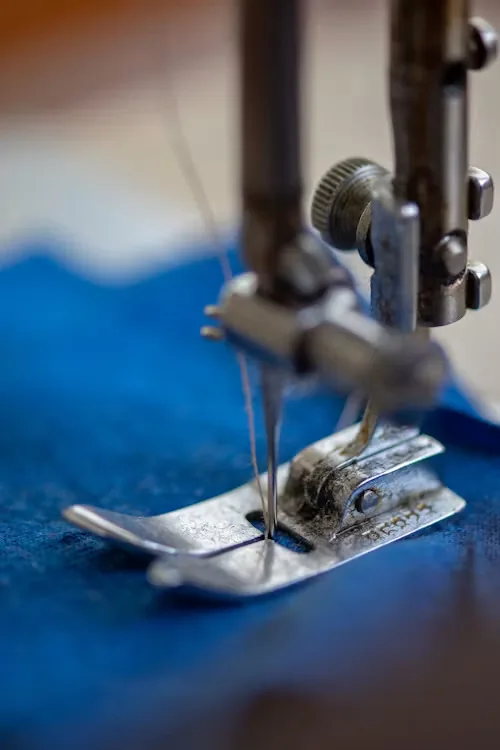
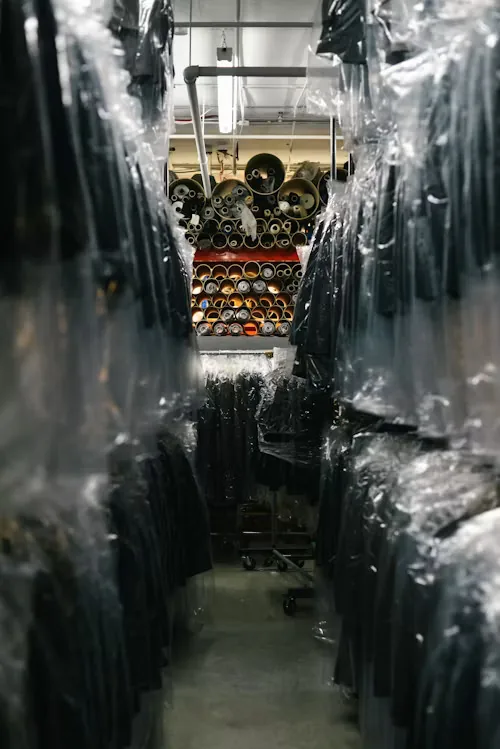
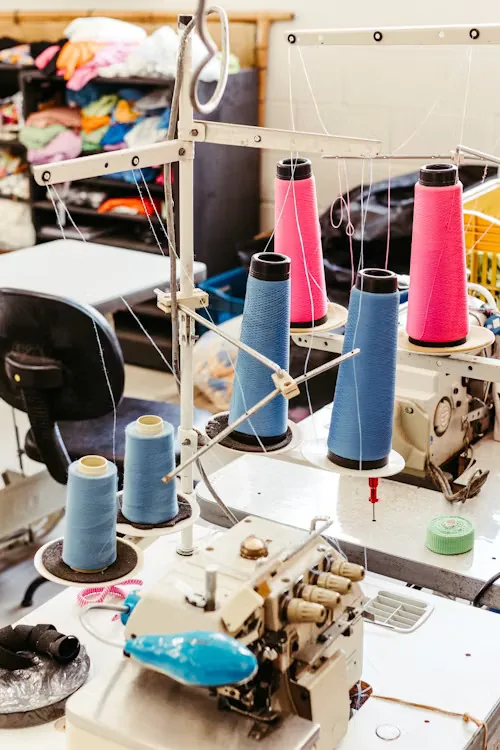
Where your BJJ gis are made
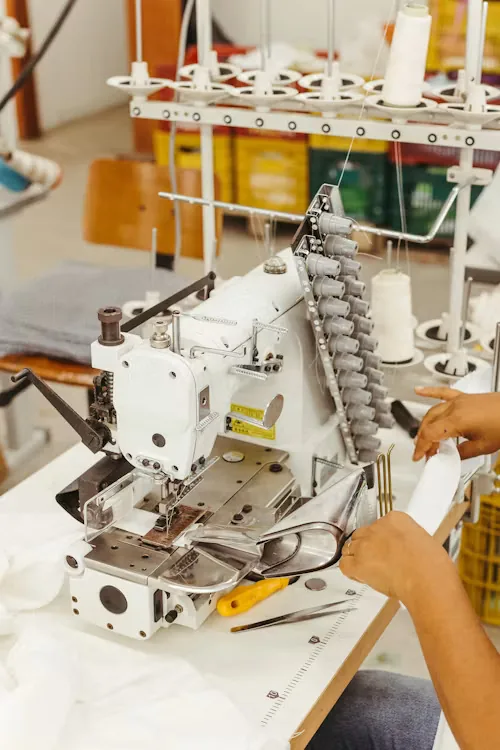
Photographs from our own unit in Sialkot, where BJJ gis are cut, stitched, checked and packed for dispatch.
Producing your own gi range? Build the chart from the sample.
If you are developing a gi for a brand or academy, the published chart should come from measured jacket and trouser dimensions on your approved sample, with shrinkage allowed for. Send your reference gi and target sizes and we will work the grading from it.
Build your size chart from body measurements, not just A-labels
A0–A5 (plus F for women and M for kids) are guides, not a fixed standard — every brand’s cut differs. Base your chart on real garment measurements: jacket length, sleeve length (arm extended), skirt length and trouser length, and account for shrinkage, since cotton gis shrink unless pre-shrunk. Give buyers a measurement-based chart rather than only letter sizes — it is the single biggest thing that cuts returns — and grade sizes consistently across the whole range.