Rash guard fabric and GSM: what to choose and what to check
A rash guard lives or dies on its fabric. These are the choices that matter for a BJJ, MMA or no-gi brand, and what to check on the sample.
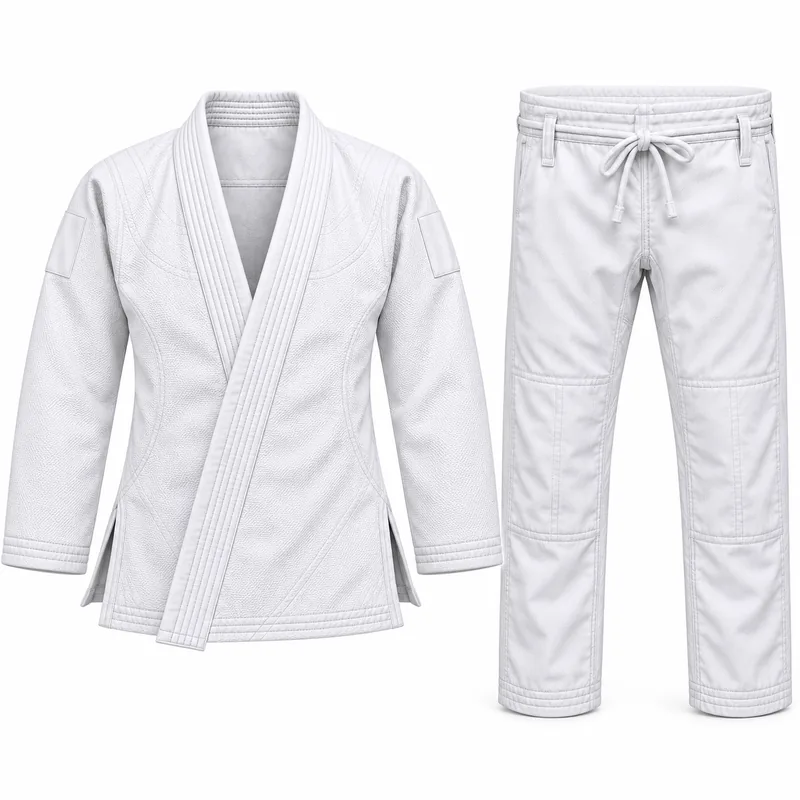
Most custom rash guards are made from a polyester/spandex blend: polyester takes sublimation printing and spandex gives stretch and recovery. Fabric weight (GSM) and spandex content decide how compressive, durable and warm the garment feels. Combatwear Factory makes sublimated polyester/spandex rash guards, and the exact fabric weight for your order is confirmed in your quotation and on the approved sample.
Last updated · Combatwear Factory
What GSM means
GSM is grams per square meter, the weight of the fabric. A higher GSM usually means a thicker, more compressive and more durable fabric that feels warmer; a lower GSM feels lighter and cooler but can look thinner when stretched.
Compare GSM between samples of the same blend. A different blend or knit can feel different at the same weight.
Polyester or nylon
Polyester is the standard base for custom rash guards because sublimation dye bonds with polyester fibers, so a full-color design becomes part of the fabric and does not crack or peel.
Nylon blends feel smooth and are durable, but they do not take sublimation printing, so they suit solid colors or other decoration methods.
Spandex content and stretch
Spandex (elastane) gives four-way stretch and helps the garment recover its shape after hard rolling. More spandex means more compression and a tighter fit; a relaxed rash guard needs less.
Spandex fibers do not take sublimation dye, so a very stretchy fabric can show lighter lines when it is pulled, sometimes called grin-through. Check the printed sample stretched over a body, not flat on a table.
Seams, cuffs and fit
Flatlock seams lie flat against the skin and reduce chafing. Decide the fit (tight compression or relaxed), sleeve length, collar and cuff finish, and whether you need rank colors for a ranked no-gi program.
What to check on the sample
Stretch and recovery after a hard pull, see-through when stretched, print colors against your artwork, seam strength at the underarm and shoulder, fit on real people in two or three sizes, and a wash test done the way your customers will wash it.
What we confirm in your quotation
Fabric blend and weight, sublimation print, fit, sleeve, collar and cuff finish, size range and labels. The minimum is 30 pieces per design with sizes mixable. You get a free digital mockup first; the physical sample takes 7–10 working days, and bulk production takes 20–30 working days after sample approval, with DDP delivery to the US.
Rash guard fabric specification checklist
| Base fabric | Polyester/spandex blend, ready for sublimation |
|---|---|
| Fabric weight | Confirmed in your quotation and on the approved sample |
| Full sublimation | |
| Minimum | 30 pieces per design, sizes mixable |
| Sample | Free digital mockup, then a physical sample in 7–10 working days |
| Bulk | 20–30 working days after sample approval |
| Delivery | DDP to the US by DHL, FedEx or UPS |
Practical checklist
- Stretch and recovery after a hard pull
- No see-through when stretched
- Print colors match your artwork
- Flat, strong seams at the underarm and shoulder
- Fit checked on real people in 2–3 sizes
- Washed the way your customers will wash it
Rash guard fabric: frequently asked questions
What is a good GSM for a rash guard?
There is no single right number. Heavier fabric gives more compression and durability, lighter fabric feels cooler. Compare two weights of the same blend on samples; the weight for your order is confirmed in the quotation.
Can nylon rash guards be sublimated?
No. Sublimation dye bonds with polyester, so sublimated rash guards are made on a polyester/spandex base.
Why do some printed rash guards show light lines when stretched?
Spandex does not take sublimation dye, so very stretchy fabric can show lighter lines when pulled. Check the sample stretched over a body before bulk.
What is the minimum order for custom rash guards?
30 pieces per design, with sizes mixable.
Related: Ready to produce? See rash guard manufacturer. Fit by audience: women’s rash guards and kids rash guards.
Where your rash guards are made
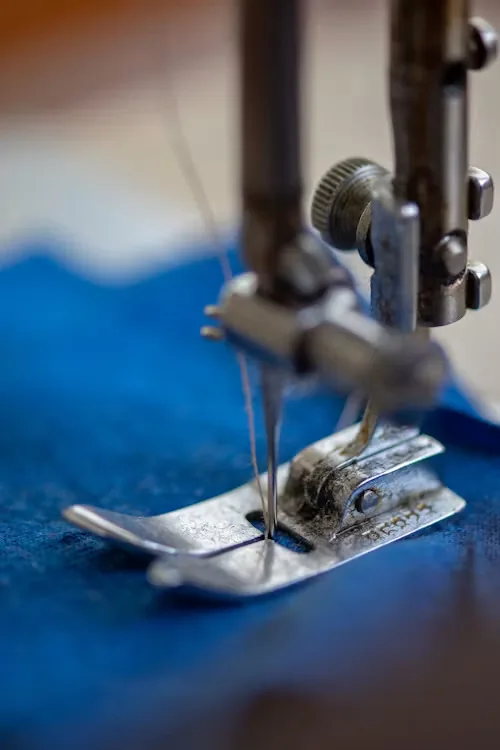
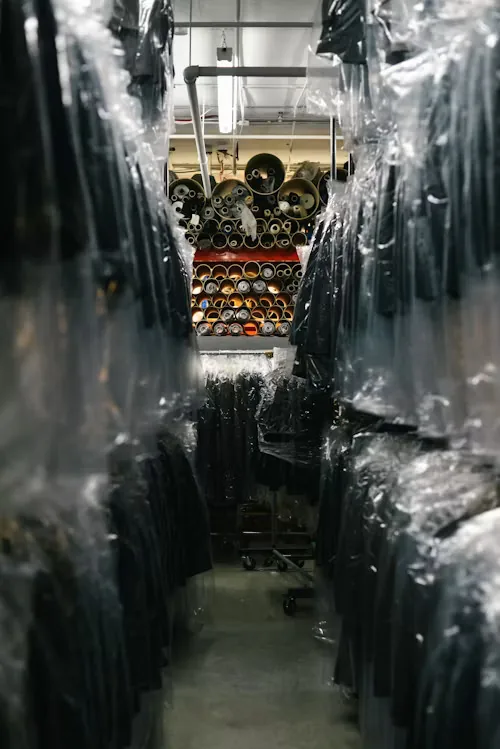
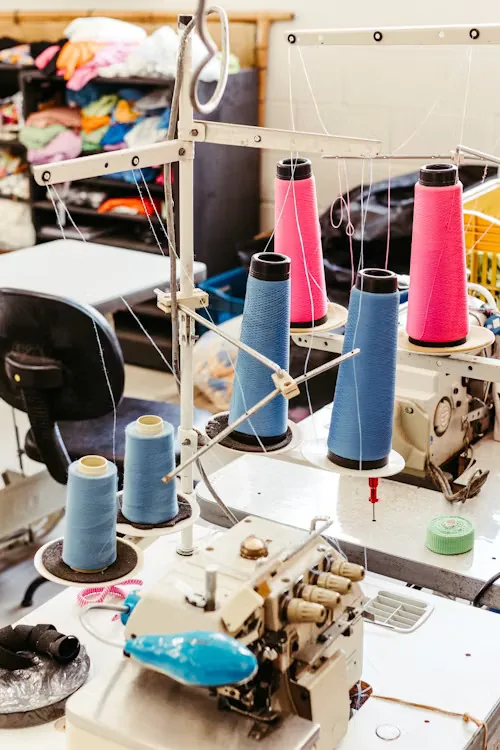
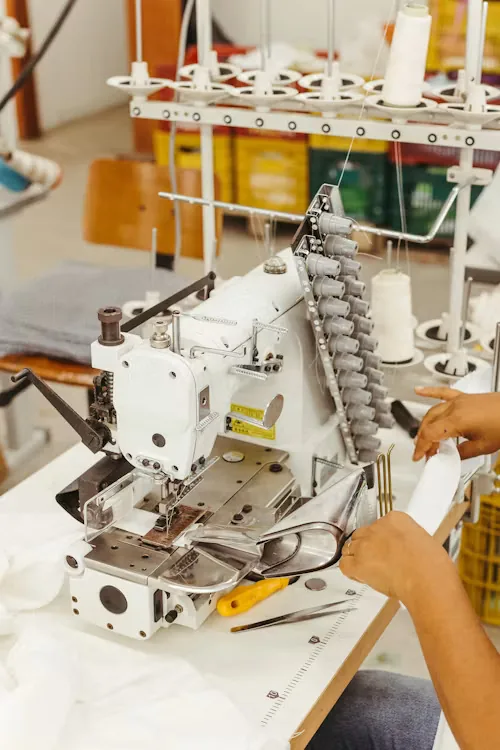
Photographs from our own unit in Sialkot, where rash guards are cut, stitched, checked and packed for dispatch.
Test your fabric on a sample
Send your design and the feel you want, and we will quote the fabric, weight and delivered price. You get a free digital mockup before the sample.