BJJ gi patch placement: where patches are allowed
Patches get removed at the inspection table for two reasons: wrong position, or a lifted corner. Both are avoidable at the design stage.
Competition rulesets allow patches only in defined areas of the gi — principally the jacket back, the skirt, the shoulders and upper sleeves, the trouser thigh and the belt — and every patch must be sewn on securely. Positions and dimensions are set out in each organisation’s current rulebook and have been revised between seasons, so verify your layout against the rulebook for your event before production.
Last updated · Combatwear Factory
Check the rulebook for your event, for this season
Each organisation publishes its own uniform rules and its own patch diagram, and they do not match each other. A layout built for one federation is not automatically legal at another, and the permitted areas have changed between seasons.
Treat any patch diagram you find online — including a summary on a supplier site — as a starting point, not as the authority. Download the current rulebook for your event and work from its figure.
The areas patches normally live in
On the jacket: the upper back is the largest permitted area and is where an academy or sponsor patch usually goes. The skirt (the lower front panel below the belt), the shoulders and the outside of the upper sleeves are the other common positions.
On the trousers: the outer thigh, and in some rulesets the lower leg. On the belt: a limited area at the ends.
Areas that cause problems: the collar and lapel, which are normally off limits entirely because a patch there changes the grip; and anywhere a patch would overlap a seam or a reinforcement.
Attachment: sewn, and sewn properly
Every ruleset that permits patches requires them to be sewn on. Iron-on backing lifts in a hot wash, and a lifting corner is the single most common reason a patch is cut off at the table.
A large back patch should be stitched around its full perimeter, not tacked at the corners. On a lightweight jacket, a heavy patch pulls the weave out of shape unless the area behind it is stable.
Laying out across a size range
A patch position is a proportion, not a coordinate. A placement that looks centred on an A2 jacket can sit over a seam on an A4 and run off the panel on an A0.
When you approve artwork, approve it per size band, or at minimum check the smallest and the largest in the range. The same applies to kids sizes, where the back panel is dramatically smaller than the adult one the mockup was drawn on.
Sponsor layouts and academy layouts are different problems
An academy layout is usually one back patch and one chest or sleeve mark, repeated identically across a stock order — straightforward to grade and cheap to produce.
A sponsor layout changes per athlete and per season, which is where velcro panels earn their place: a hook panel sewn into the permitted area lets patches swap without restitching the gi. Check first that your event permits velcro-mounted patches, because not all do.
Gi patch placement: frequently asked questions
Where can you put patches on a BJJ gi?
Principally the jacket back, the skirt, shoulders and upper sleeves, the trouser thigh, and limited areas of the belt. The collar and lapel are normally off limits. Exact areas and dimensions are defined by your event’s current rulebook.
Can patches go on the gi collar?
Normally no. A patch on the collar or lapel changes the grip and is excluded in most rulesets.
Do BJJ patches have to be sewn on?
Yes. Every ruleset that permits patches requires secure stitching. Iron-on backing lifts in a hot wash and is the most common reason a patch is removed at inspection.
How big can a gi patch be?
Maximum dimensions vary by area and by organisation and have changed between seasons. Check the figure in the current rulebook for your event rather than relying on a remembered number.
Can I use velcro patches in competition?
Some events permit a velcro-mounted patch in a permitted area and some do not. Confirm before building a sponsor gi around velcro panels.
Related: Order patches from our custom gi patches page. Competition rules: IBJJF gi requirements. Gis with patches applied: custom BJJ gis.
Where your gi patches are made
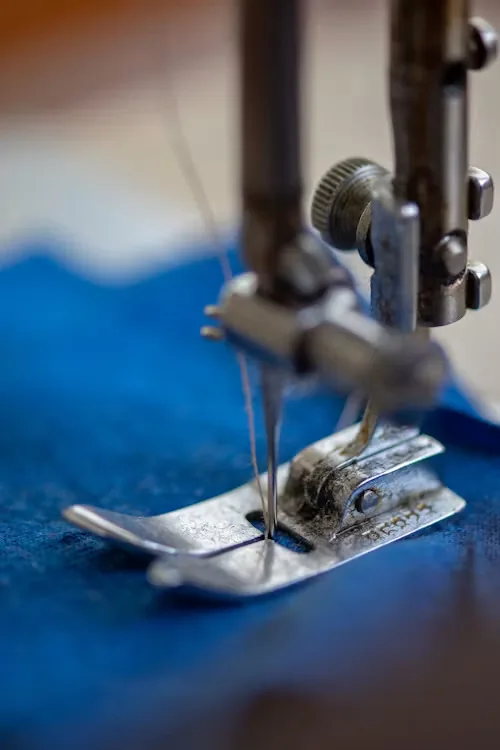
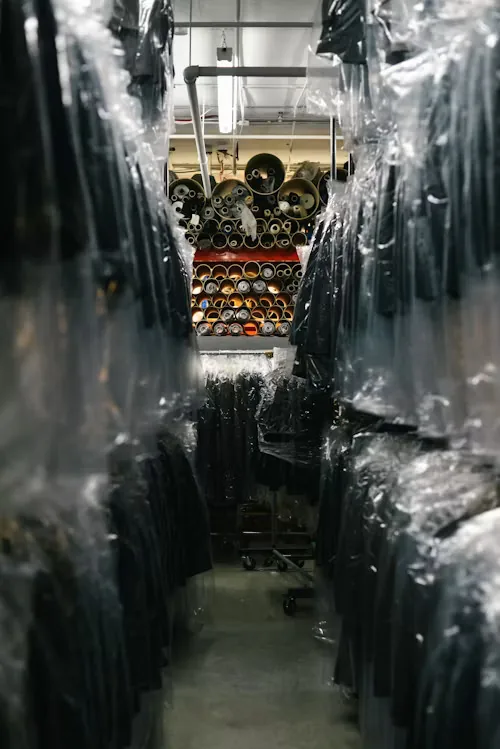
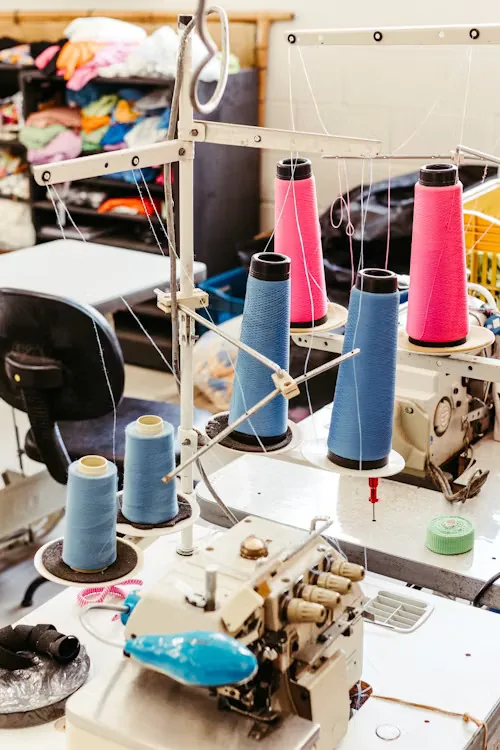
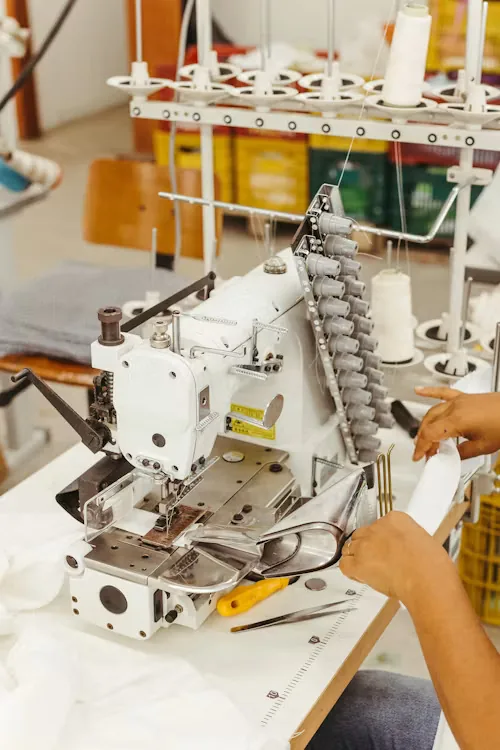
Photographs from our own unit in Sialkot, where gi patches are cut, stitched, checked and packed for dispatch.
Planning a patch layout for a gi order?
Send your artwork and the sizes in your range. We return a mockup with the placement marked on each size band so you can check it against your rulebook before sampling.