IBJJF gi requirements: what gets checked at uniform inspection
The points below are the checks a gi has to survive at an IBJJF event. Rules are revised between seasons, so confirm each one against the current official rulebook for your event before you compete or produce.
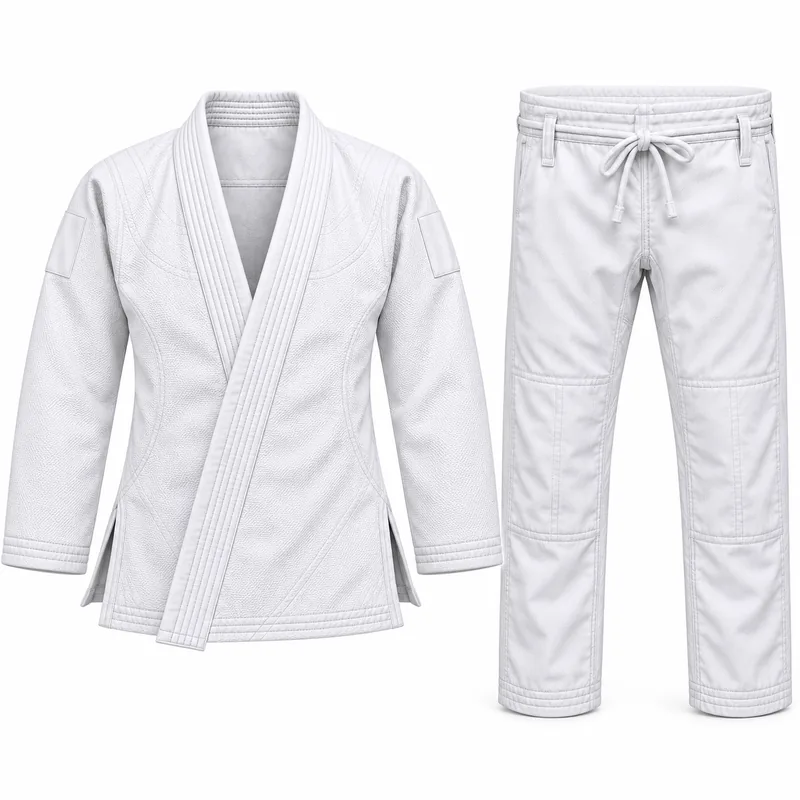
An IBJJF competition gi must be a single permitted colour throughout — white, royal blue or black — with jacket and trousers matching. The fabric must not be so thick or stiff that it obstructs an opponent’s grip, sleeve and trouser lengths are measured against the wrist and ankle with the arm extended, and patches are only allowed in the designated areas. Verify the current figures in the official IBJJF rulebook, which is revised periodically.
Last updated · Combatwear Factory
What inspection actually checks
Confirm every line against the current official IBJJF rulebook for your event — these requirements have changed between seasons.
| Colour | White, royal blue or black. Jacket and trousers must be the same colour; mixed-colour sets are not permitted. The collar must match the gi. |
|---|---|
| Fabric | Cotton or cotton-like weave, in good condition, not so rigid or thick that it stops an opponent gripping. A fabric-weight range applies — check the current rulebook figure. |
| Jacket length | Must reach the thigh, with sleeves ending no more than 5 cm from the wrist with the arm extended straight. |
| Sleeve opening | Measured across the full width of the sleeve; a minimum gap must remain between sleeve and forearm along the whole length. |
| Trousers | Must reach no more than 5 cm above the ankle bone, with the same minimum gap between fabric and leg. |
| Reinforcements | Sleeve, skirt and trouser-cuff reinforcement is limited in width — check the current figure before specifying a heavy-reinforced cut. |
| Patches | Only in the designated areas, sewn on securely. Loose, peeling or out-of-area patches get the gi rejected or cut off at the table. |
| Belt | Correct rank colour, 4–5 cm wide, tied with a double knot and long enough that both ends hang to the thigh. |
| Condition | Clean, dry, odour-free, no tears or heavy fraying. A gi can fail on condition alone. |
| No-gi kit | Rash guard and shorts have their own rules on colour coverage, rank band, pockets and fastenings — treat it as a separate specification. |
Where the official rules live
The IBJJF publishes the uniform requirements on its own rules pages, and those pages link to the current full rulebook PDF. That document, for the season of your event, is the only authority. A product description, a retailer page or a copied checklist — including this one — is a summary of it, not a substitute.
Requirements have been revised between seasons, including the fabric-weight range and reinforcement limits. If your last gi passed two years ago, that does not carry forward.
The three failures that happen most at the table
Patches. Wrong placement, or a patch that is peeling, is the single most common reason a gi is sent back. Patches must sit in the permitted areas and be stitched down properly, not ironed on.
Sleeve and trouser length. Both are measured with the limb extended, and a gi that has shrunk through hot washing can go from legal to short in a season.
Colour. "Navy" is not royal blue, and a black gi with a white collar is a mixed-colour set. Order the colour by the rule, not by the brand’s name for it.
Start with the current official documents
Use the official IBJJF uniform page and its linked rules rather than an undated product description or a copied checklist. The uniform page may point to newer documents, so check those links as well. Record the source and version used for your specification.
Identify the event, discipline and division. A gi brief and a no-gi brief are not interchangeable, and requirements can depend on how the garment is used.
Translate requirements into sample questions
Prepare questions about the garment’s material, colors, construction, fit and condition. Mark the measurements or visual checks the current rules call for, then compare the actual sample. Do not assume a catalog photograph establishes compliance.
Where a requirement is unclear, obtain clarification from the organizer. The supplier’s manufacturing discussion should not be treated as an official event ruling.
Check branding on the finished garment
Review each logo and patch position against the current allowed areas. Include any inside or secondary branding that appears on the design. Check attachment and finish on the sample rather than approving artwork placement only on a mockup.
If the pattern or garment size changes, review the placements again. A position on one size does not automatically transfer without adjustment to every other size.
Review no-gi kit as its own specification
For rash guards, shorts and compression layers, consult the current official requirements for the relevant division. Check the intended combination of garments and any design or fastening decisions identified by those rules.
Do not infer that an item is suitable for every event because it is described as a rash guard, grappling short or spats. Keep the organizer’s requirements attached to the product brief.
Keep responsibility clear at order and event stages
Record which rule version informed sample approval, along with the garment specification and any questions still unresolved. Recheck the current guidance before competition because product development and event dates may be far apart.
Official inspection remains separate from a manufacturing claim. This guide is a buyer workflow, not a certification, official approval or a substitute for the organizer’s complete rules.
IBJJF gi: frequently asked questions
What colours are allowed for an IBJJF gi?
White, royal blue or black, with jacket and trousers the same colour. The collar must match the rest of the gi. Any other colour, or a mixed set, is not permitted.
How do I know if my gi is IBJJF approved?
There is no blanket approval that transfers between gis. The gi has to pass the measurement, colour, fabric, patch and condition checks at the event, against the rulebook current for that season.
Where can patches go on an IBJJF gi?
Only in the designated areas set out in the current rulebook, and they must be sewn on securely. Out-of-area or lifting patches are the most common reason a gi fails inspection.
What are the IBJJF sleeve and trouser length rules?
With the arm extended, the sleeve must end no more than 5 cm from the wrist. Trousers must end no more than 5 cm above the ankle bone. Both have a minimum gap requirement between fabric and limb.
Does Combatwear Factory produce IBJJF-legal gis?
We build to the specification you give us, including the colour, weave, fabric weight, reinforcement width and patch layout the current rules require. No blanket IBJJF approval is claimed for any product; the event’s inspection is the decision.
Where can patches be placed on a competition gi?
Placement rules are set by the federation and change between rule revisions, so check the current rulebook for the event you are entering. We manufacture to whatever placement your specification confirms and mark it on the tech pack before sampling.
Related: Patch rules in detail: BJJ gi patch placement. Make a competition gi with custom BJJ gis or order custom gi patches. Bulk team orders: wholesale BJJ gis.
IBJJF gi product views
Styles, colorways and close-up details for competition gis. Tap any image to enlarge.
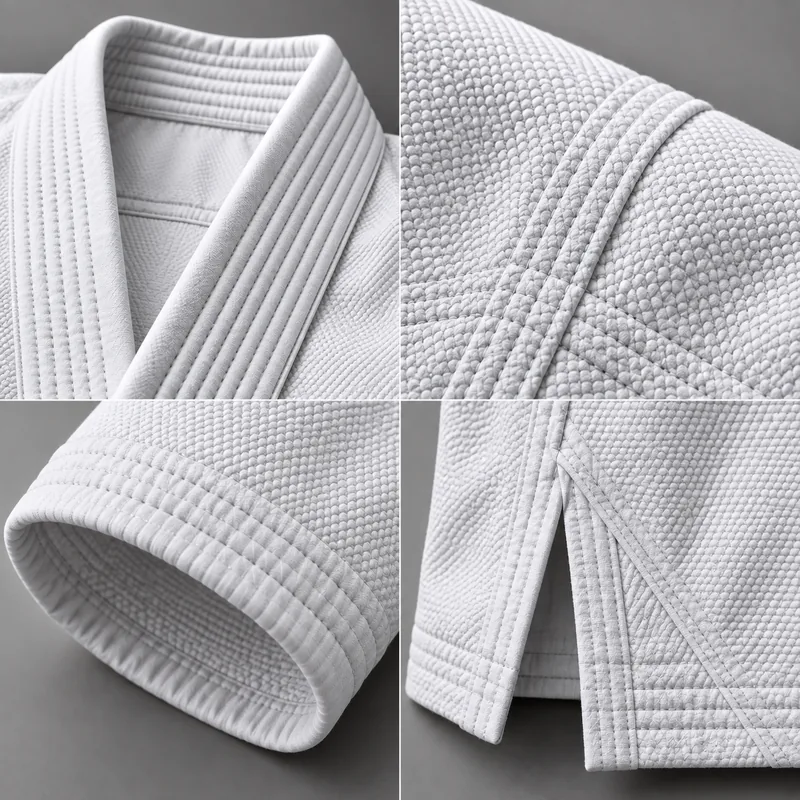
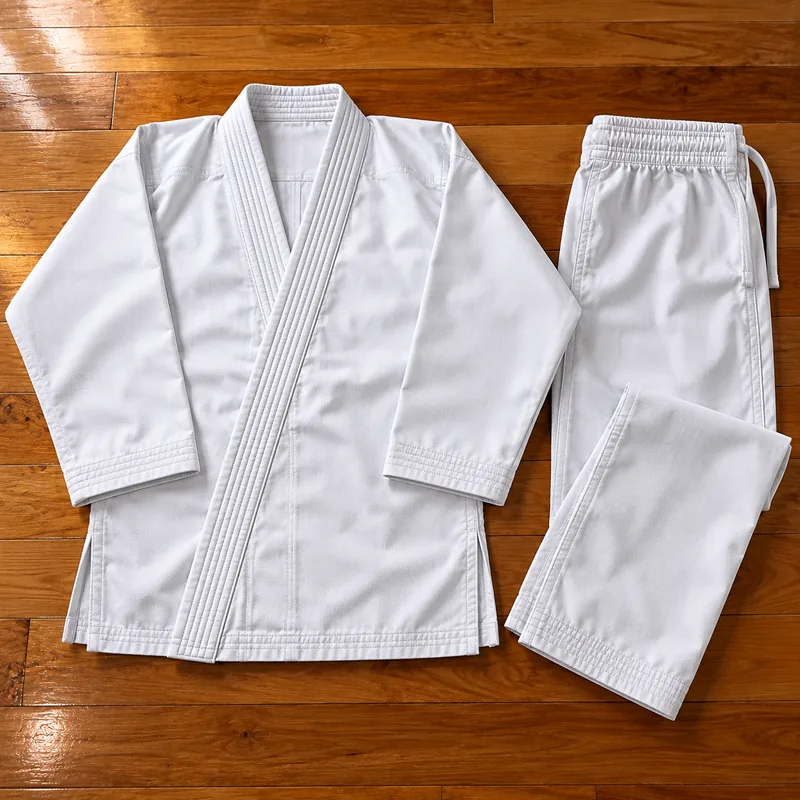
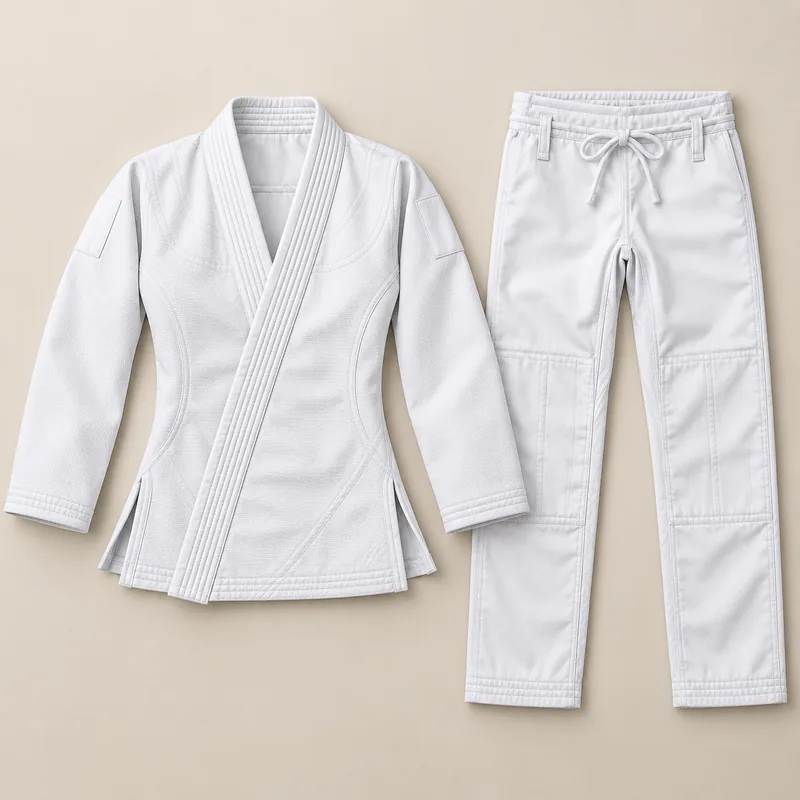
Where your competition gis are made
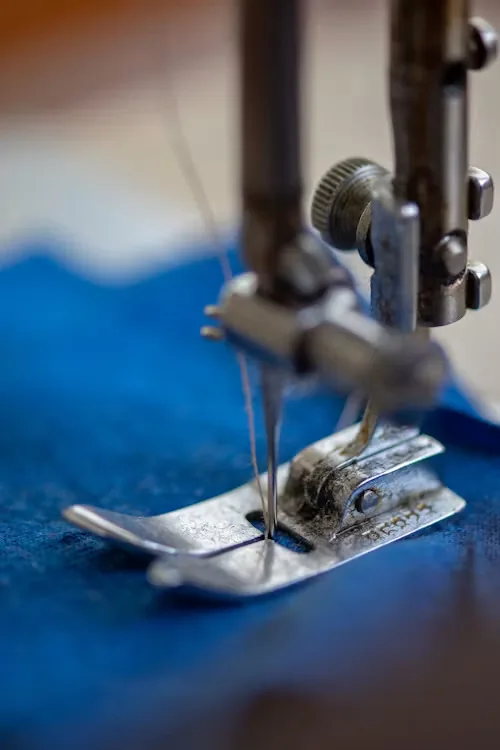
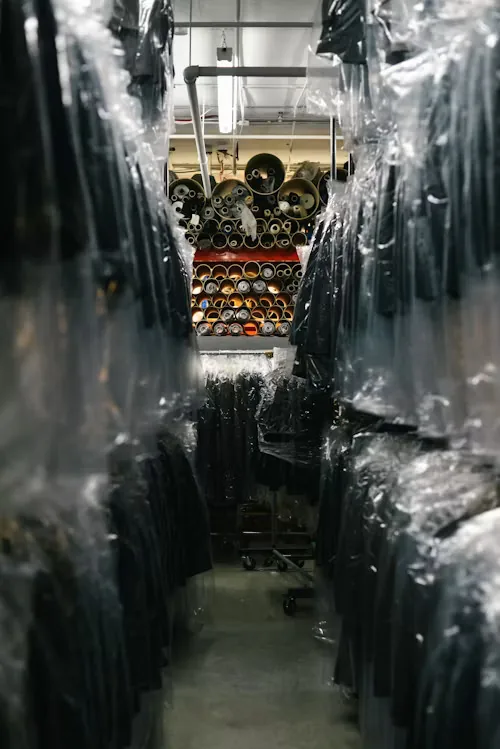
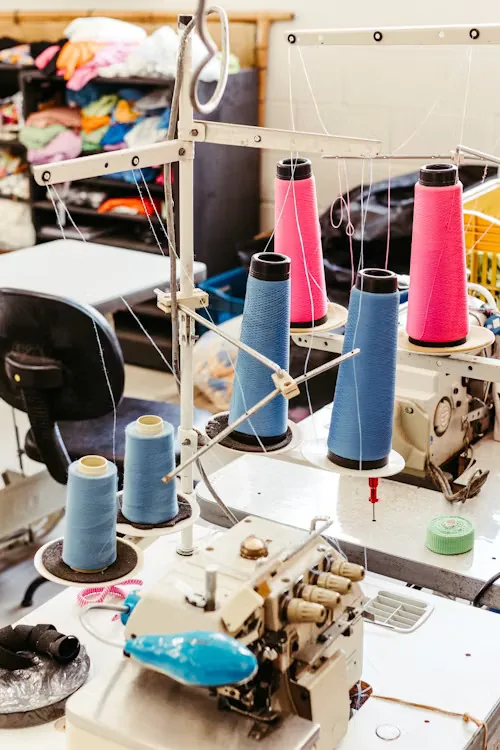
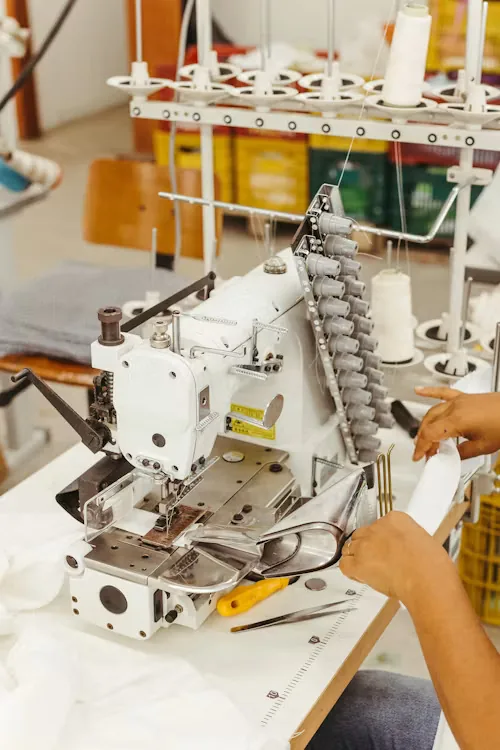
Photographs from our own unit in Sialkot, where competition gis are cut, stitched, checked and packed for dispatch.
Specifying a competition gi for your brand?
Send the colour, weave, target fabric weight, reinforcement width and patch layout you need and we will build the sample to that specification so you can check it against the current rulebook before bulk production.
IBJJF gi rules your production must respect
Last checked 15 September 2026. The official IBJJF uniform page says gi fabric must be cotton or cotton-like woven fabric, the gi must be one uniform color, permitted colors are white, royal blue or black, and patches may only be placed in authorised regions. Rules can change, so verify the current official source again before approving a competition production run.